
Als ondernemer bekijkt u facturen in de ene app, controleert u klantgegevens in een andere en raadpleegt u elders verkooprapporten, terwijl uw belastingberekeningen in een spreadsheet staan. Tegen de tijd dat het 10 uur 's ochtends is, bent u al tussen minstens vijf verschillende apps geschakeld om uw dagelijkse taken uit te voeren. Het gebruik van al deze tools is op zich niet verkeerd, maar het voortdurend wisselen tussen de verschillende programma's verandert eenvoudige financiële taken in een tijdrovende administratieve nachtmerrie.
Daarom is een gecentraliseerd financieel dashboard, waarin al uw belangrijke financiële informatie op één plek samenkomt, onmisbaar. Hiermee wordt het veel eenvoudiger om de kasstroom te volgen, facturen te beheren, bedrijfsprestaties te meten en weloverwogen beslissingen te nemen. In dit artikel bespreken we waarom elk klein bedrijf zo'n dashboard nodig heeft, welke belangrijke cijfers u in de gaten moet houden en op welke functies u bij de keuze voor een oplossing moet letten.
Wat is een gecentraliseerd financieel dashboard?
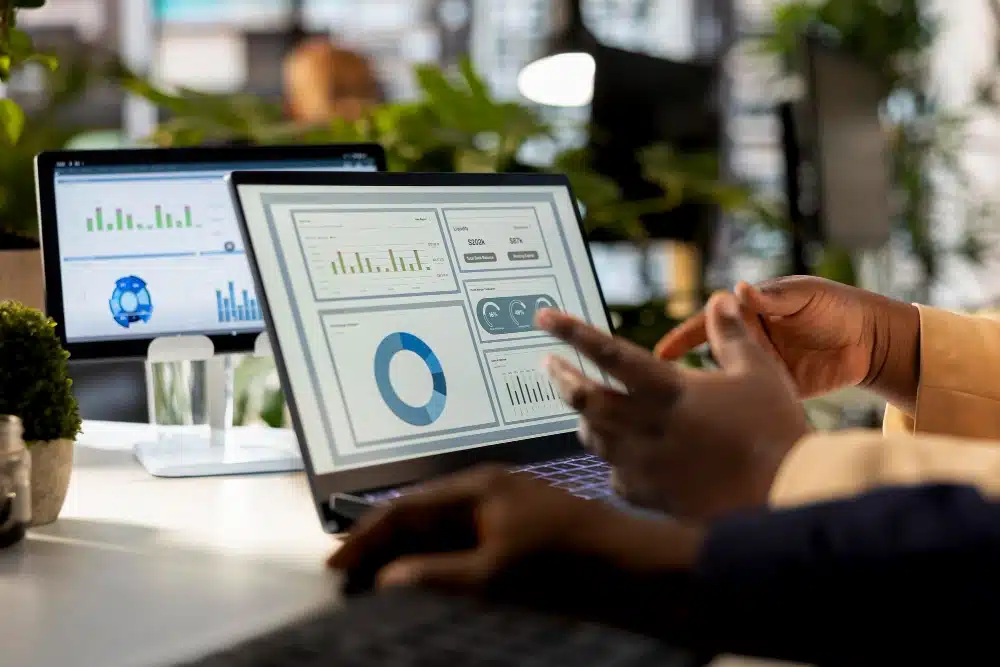
Een gecentraliseerd dashboard is een eenvoudige interface die de belangrijkste informatie van uw bedrijf samenbrengt, zodat u de bedrijfsprestaties kunt volgen zonder te hoeven schakelen tussen verschillende applicaties of spreadsheets. In plaats van facturen in het ene platform, klantgegevens in het andere en rapportages weer ergens anders te moeten bijhouden, bundelt een gecentraliseerd dashboard deze informatie in één overzicht. Dit geeft u een duidelijker beeld van de financiële gezondheid van uw bedrijf.
Afhankelijk van de tools die uw bedrijf gebruikt, moet een financieel dashboard in staat zijn om realtime gegevens weer te geven en informatie zoals omzet, kasstroom, openstaande facturen, uitgaven, klantactiviteit, productprestaties en belastinggerelateerde gegevens bij te werken. In plaats van te moeten zoeken naar afzonderlijke rapporten, kunt u in één oogopslag de belangrijkste bedrijfsindicatoren zien en snel vaststellen welke gebieden extra aandacht vereisen.
Voor kleine bedrijven valt er nog meer winst te behalen met een gecentraliseerd financieel dashboard. Het creëert één centrale bron van waarheid voor uw financiële gegevens; iedereen werkt met dezelfde realtime data om betere beslissingen te nemen, fouten in rapportages te voorkomen en minder tijd te besteden aan het verzamelen van gegevens. De vraag "in welke spreadsheet staan de meest recente cijfers?" is verleden tijd, waardoor u zich kunt concentreren op de betekenis van de cijfers en de vervolgstappen die nodig zijn.
De verborgen kosten van financieel beheer via meerdere systemen
Het gebruik van afzonderlijke tools voor facturering, boekhouding, klantenbeheer, rapportage en onkostenregistratie lijkt in eerste instantie misschien goed te doen. Maar naarmate uw bedrijf groeit, kunnen deze losstaande systemen leiden tot inefficiënties die veel meer kosten dan de software zelf. Tijd die opgaat aan het zoeken naar informatie, het afstemmen van gegevens en het corrigeren van fouten, is tijd die beter besteed had kunnen worden aan het bedienen van klanten of het laten groeien van het bedrijf.
Dubbel werk en inconsistente gegevens
Wanneer financiële informatie op meerdere plaatsen aanwezig is, moeten dezelfde gegevens vaak meermaals worden ingevoerd. Facturen moeten dan in het ene systeem worden vastgelegd, terwijl klantgegevens in een ander systeem worden bijgewerkt. Handmatige gegevensinvoer vergroot de kans op fouten, wat kan leiden tot onjuiste rapportages of onduidelijkheid over welke gegevens actueel zijn.
Gemiste betalingen en vertraagde opvolging
Het bijhouden van openstaande facturen wordt lastiger wanneer betalingsgegevens niet gecentraliseerd zijn. Zonder een helder overzicht van wie er heeft betaald, bij wie de betalingstermijn is verstreken en welke facturen opvolging vereisen, lopen bedrijven het risico op vertraagde betalingen, wat de cashflow onnodig onder druk kan zetten.
Tragere rapportage en besluitvorming
Het opstellen van financiële rapportages wordt bemoeilijkt wanneer de benodigde gegevens over meerdere platforms verspreid zijn. Eigenaren van kleine bedrijven moeten tijd besteden aan het verzamelen van deze gegevens voordat ze inzicht kunnen krijgen in omzet, kosten en winstgevendheid. De resulterende rapportages zijn waarschijnlijk verouderd, waardoor het bedrijf minder goed in staat is om snel in te spelen op trends en marktveranderingen.
Beslissingsmoeheid door voortdurend wisselen van context
Telkens wanneer je tussen apps schakelt, verlies je niet alleen tijd, maar boet je ook iets in aan mentale focus. Tijd die besteed had kunnen worden aan het analyseren van trends of het maken van een strategische zakelijke zet, gaat nu op aan het zoeken naar en samenstellen van gegevens. Op den duur kan dit er zelfs bij een bedrijf dat normaal gesproken snel schakelt toe leiden dat de besluitvorming vertraagt en cruciale informatie over het hoofd wordt gezien.
De financiële cijfers die elk klein bedrijf in de gaten moet houden
Een gecentraliseerd financieel dashboard wordt veel waardevoller wanneer het u helpt de financiële kerncijfers te volgen die ten grondslag liggen aan weloverwogen zakelijke beslissingen. Dit zijn enkele van de kerncijfers die u in de gaten zou moeten houden:
Winst
De omzet vertegenwoordigt de totale verkoopopbrengst van uw bedrijf over een bepaalde periode, vóór aftrek van kosten en uitgaven. U dient uw omzet dagelijks, wekelijks en maandelijks bij te houden om te kunnen zien of uw bedrijf groeit, stagneert of krimpt. Voor een beter inzicht in uw verkopen kan het ook nuttig zijn om de verkooptrends over maanden of zelfs jaren te bekijken.
Openstaande facturen
Openstaande facturen vertegenwoordigen het geld dat uw klanten aan uw bedrijf verschuldigd zijn. Door onbetaalde, openstaande en vervallen facturen nauwlettend in de gaten te houden, kunt u tijdig inspelen op late betalingen die anders een negatieve invloed zouden hebben op de kasstroom. Een dashboard dat duidelijk onderscheid maakt tussen betaalde, lopende en vervallen facturen, maakt het eenvoudiger om prioriteiten te stellen bij de opvolging en zorgt voor een gezonder debiteurenbeheer.
Kasstroom
Zelfs winstgevende bedrijven kunnen in financiële moeilijkheden raken doordat ze zonder contant geld komen te zitten. Kasstroomtrajecten ...de geldstroom van en naar uw bedrijf, waardoor u kunt vaststellen of u over voldoende middelen beschikt om bedrijfskosten, betalingen aan leveranciers, salarissen en andere verplichtingen te dekken. Door uw kasstroom regelmatig te bewaken, kunt u dreigende tekorten tijdig signaleren en verhelpen.
Klantengroei
Het bijhouden van de klantengroei helpt u te bepalen of uw bedrijf consequent klanten aantrekt en behoudt. Inzicht in deze groei wijst op een gezonde vraag naar producten en diensten, terwijl stagnerende of dalende cijfers kunnen aangeven dat uw strategieën voor marketing, verkoop of klantenbehoud aan herziening toe zijn. Kijk verder dan het totaal aantal klanten en maak onderscheid tussen nieuwe en terugkerende klanten om meer inzicht te krijgen.
Bestverkopende producten en diensten
Door inzicht te krijgen in welke producten of diensten het beste presteren, kunt u weloverwogen beslissingen nemen over voorraadniveaus, prijzen en promotiestrategieën. Hetzelfde bedrijfsdashboard kan zelfs trends signaleren wanneer klantvoorkeuren veranderen, zodat u kunt inspelen op de situatie voordat potentiële kansen aan u voorbijgaan.
Topklanten
Ga er nooit vanuit dat alle klanten hetzelfde inkomensniveau bieden. De klanten op het hoogste niveau zullen omzet genereren die niet gelijk is aan die van klanten in lagere niveaus. Door ze te selecteren, bent u in staat om deze relaties te bevorderen voor een diepere klantloyaliteit en een betere ervaring, en begrijpt u zelfs hoe u deze verkooptrends kunt repliceren voor blijvend succes in uw bedrijf.
Belastingverplichtingen
Het is gemakkelijk om in paniek te raken als de boekhouding niet op orde is en de financiële gegevens een rommeltje zijn. Door belastinggegevens tijdig bij te houden, kunt u zich nauwkeurig voorbereiden en stress op het laatste moment tijdens het belastingseizoen verminderen. Wanneer u een duidelijk beeld heeft van de gegevens voor uw belastingaangifte, vereenvoudigt het bijhouden van geregistreerde transacties en belastbare verkopen het aangifteproces.
Hoe een gecentraliseerd dashboard de zakelijke besluitvorming verbetert
Toegang hebben tot nauwkeurige financiële gegevens is belangrijk, maar door deze op één plek te hebben, wordt informatie omgezet in betere beslissingen.
Snellere rapportage
Er is geen reden waarom u door verschillende softwareprogramma's zou moeten zoeken om uw financiële rapporten op te stellen. Een gecentraliseerd dashboard verzamelt automatisch belangrijke gegevens op één plek; hier kunt u informatie inzien over inkomsten, facturen, klantactiviteiten en meer. Zo besparen ondernemers tijd bij het opstellen van rapporten, zodat ze zich kunnen richten op het analyseren en interpreteren van de gegevens.
Het regelmatig beoordelen van uw financiële prestaties van het bedrijf, kan u helpen begrijpen welke rapporten het meest waardevol zijn en hoe u ze effectief kunt gebruiken.
Eenvoudiger prognoses maken
Prognoses zijn gebaseerd op inzicht in resultaten uit het verleden en het heden. Wanneer historische gegevens over omzet, kasstroom, verkooptrends en klantactiviteit op één plek beschikbaar zijn, wordt het eenvoudiger om toekomstige inkomsten te schatten, in te spelen op seizoensschommelingen en rekening te houden met verwachte uitgaven. Meer inzicht leidt tot realistischere budgetten en een goed onderbouwde financiële planning.
Zakelijke trends identificeren
Financiële patronen ontstaan niet altijd van de ene op de andere dag; het duurt weken of maanden voordat ze zich ontwikkelen. Met een bedrijfsdashboard kunt u deze trends signaleren door gegevens consequent over een langere periode weer te geven. U krijgt inzicht in welke producten of diensten het leeuwendeel van uw inkomsten genereren, ontdekt wanneer de verkoop afneemt en ziet verschuivingen in het koopgedrag van klanten. Hierdoor kunt u tijdig bijsturen op het gebied van prijzen, marketingstrategieën of voorraadbeheer, nog voordat kleine veranderingen uitgroeien tot grote uitdagingen.
Problemen signaleren voordat ze groter worden
De meeste financiële problemen beginnen met een duidelijk signaal, zoals een toename van achterstallige facturen, een afnemende kasstroom of een daling van het aantal terugkerende klanten. Door deze indicatoren via een centraal dashboard te monitoren, zijn ze in een vroeg stadium gemakkelijker op te sporen. Het aanpakken van deze problemen terwijl ze nog beheersbaar zijn, helpt de kasstroom te beschermen, de klantrelaties te verbeteren en het risico op verdere financiële tegenslagen te verkleinen.
Waarop te letten bij een financieel dashboard
Niet alle financiële dashboards bieden dezelfde mogelijkheden. De juiste oplossing moet inzicht bieden in uw bedrijf en tegelijkertijd de noodzaak verminderen om tussen verschillende tools te schakelen. Dit zijn de belangrijkste functies om op te letten:
- Factuurvolging: Een goed dashboard moet je in staat stellen om betaalde, openstaande en achterstallige facturen vanuit één centrale plek te volgen; zo houd je makkelijker grip op betalingen en kun je waar nodig klanten nabellen of herinneren.
- Klantinzichten: Inzicht in uw klanten is net zo belangrijk als het bijhouden van uw financiën. Kies een dashboard waarmee u klantactiviteiten, betaalgeschiedenis en aankoopgedrag op één plek kunt bekijken.
- Financiële verslaglegging: Dankzij ingebouwde rapportagefuncties is het eenvoudiger om de bedrijfsprestaties te beoordelen, zonder dat u handmatig gegevens hoeft samen te stellen. Nuttige rapporten bieden inzicht in de omzet, de kosten en andere belangrijke bedrijfsindicatoren.
- Belastingtools: De voorbereiding van de belastingaangifte wordt overzichtelijker wanneer uw dashboard helpt bij het ordenen van financiële gegevens en tools biedt om belastinggerelateerde informatie gedurende het jaar te berekenen of bij te houden.
- Productprestaties: Als je producten verkoopt, moet je dashboard je helpen om je bestverkopende artikelen te identificeren, verkooptrends te volgen en inzicht te krijgen in welke producten het meest bijdragen aan je omzet.
- Mobiele toegankelijkheid: Zakelijke beslissingen worden niet altijd achter je bureau genomen. Dankzij mobiele toegang kun je financiële gegevens bekijken, facturen opvolgen en op de hoogte blijven, waar je ook bent.
- Belangrijkste financiële cijfers: Een financieel dashboard moet de belangrijkste kerncijfers samenbrengen – zoals kasstroom, omzet, openstaande facturen, klantengroei en bedrijfsprestaties – zodat u snel inzicht krijgt in de status van uw bedrijf, zonder dat u door talloze rapporten hoeft te bladeren.
Hoe facturering uw bedrijfsgegevens samenbrengt
Georganiseerd blijven is een stuk eenvoudiger wanneer uw essentiële zakelijke tools met elkaar samenwerken in plaats van verspreid te zijn over verschillende apps. Billing+ is ontworpen om kleine bedrijven te helpen bij het beheren van facturering, onkostenregistratie, klantenbeheer en financiële gegevens – allemaal vanuit één dashboard. Zo behoudt u eenvoudig het overzicht en blijft uw bedrijfsvoering goed georganiseerd.
Met Facturering kunt u:
- Maak professionele facturen met aanpasbare huisstijl, automatische belastingberekeningen en terugkerende facturen voor vaste klanten.
- Genereer en verstuur direct digitale kwitanties via e-mail, sms of WhatsApp, of zet facturen met slechts enkele klikken om in kwitanties.
- Beheer uw klanten door klantinformatie op één plek op te slaan; zo wordt het eenvoudiger om facturen en kwitanties op te stellen en klantgegevens bij te houden.
- Houd zakelijke uitgaven digitaal bij om uw financiële administratie overzichtelijk te houden en het risico te verkleinen dat belangrijke bonnetjes verloren gaan.
- Genereer financiële rapporten om inkomsten, uitgaven en de algehele bedrijfsprestaties te beoordelen, zodat u weloverwogen beslissingen kunt nemen.
- Factureer klanten wereldwijd met ondersteuning voor meerdere valuta's en talen, waardoor het eenvoudiger wordt om met zowel lokale als internationale klanten samen te werken.
- Accepteer betalingen via betaallinks die gedeeld kunnen worden via e-mail, WhatsApp of sociale media, zodat klanten sneller kunnen betalen.
Het beste financiële dashboard is er een dat je ook daadwerkelijk consequent gebruikt. Omdat Billing beschikbaar is via het web, iOS en mobiele platforms, heb je overal toegang tot je facturen, klantgegevens, uitgaven en bedrijfsinformatie – waar je werk je ook brengt. Meld je aan bij de facturering om nu je workflow te verbeteren.
Veelgestelde vragen
1. Wat is een gecentraliseerd financieel dashboard?
Een gecentraliseerd financieel dashboard is een centrale interface die belangrijke financiële gegevens samenbrengt, zoals omzet, kasstroom, facturen en prestatie-indicatoren. Het stelt bedrijven in staat hun financiële gezondheid te bewaken zonder tussen verschillende tools te hoeven schakelen.
2. Waarom hebben kleine bedrijven een financieel dashboard nodig?
Een financieel dashboard geeft kleine bedrijven een duidelijk beeld van hun bedrijf, waardoor het veel gemakkelijker wordt om de bedrijfsprestaties bij te houden en problemen te identificeren voordat ze een uitdaging worden. Dit helpt door de hoeveelheid tijd te verminderen die wordt besteed aan het verzamelen van informatie van verschillende platforms.
3. Welke financiële cijfers moeten bedrijven dagelijks bijhouden?
Bedrijven moeten hun omzet, kasstroom, openstaande facturen, klantengroei, best presterende producten of diensten en aanstaande belastingverplichtingen regelmatig en consequent monitoren. Het regelmatig beoordelen van deze cijfers draagt bij aan betere financiële beslissingen.
4. Kan een financieel dashboard de kasstroom verbeteren?
Ja. Het op één plek bijhouden van onbetaalde facturen en het monitoren van de cashflow kan bedrijven helpen om betalingsachterstanden eerder te signaleren en actie te ondernemen voordat deze de dagelijkse bedrijfsvoering beïnvloeden.
5. Welke functies moet een bedrijfsdashboard bevatten?
Een bedrijfsdashboard moet voorzien in factuurvolging, klantenbeheer, financiële rapportage, fiscale tools, prestatiegegevens van producten of diensten en belangrijke bedrijfsindicatoren.
Slotgedachten
Met een gecentraliseerd financieel dashboard krijgt u een helderder beeld van uw bedrijf, doordat essentiële financiële informatie op één plek wordt samengebracht. In plaats van te moeten schakelen tussen diverse tools en spreadsheets, kunt u belangrijke kerncijfers volgen, sneller weloverwogen beslissingen nemen en u met meer vertrouwen en inzicht richten op de groei van uw onderneming.