

Die meisten Freiberufler verbringen Monate damit, über ihre zukünftigen Aufträge und Kunden nachzudenken. Nur wenige machen sich Gedanken darüber, was nach Abschluss der Arbeit passiert. Dann holt einen die Realität ein. Es gibt keine Personalabteilung, die die Lohnabrechnung bearbeitet, kein Finanzteam, das säumigen Kunden hinterherjagt, und keine automatische Gutschrift, die jeden Freitag auf dem Konto eingeht. Nur Sie, Ihre Arbeit und die etwas unangenehme Aufgabe, jemanden um Bezahlung zu bitten.
Diese Aufgabe hat einen Namen: Rechnungsstellung. Und für viele neue Freelancer ist sie der Punkt, an dem das Selbstvertrauen schwindet. Plötzlich zweifelt man an der Formatierung, macht sich Sorgen um die Zahlungsbedingungen und fragt sich, ob man überhaupt freiberuflich tätig sein muss. SteuererhebungDie Arbeit war spannend. Dieser Teil fühlt sich wie Hausaufgaben an.
Die Rechnungsstellung ist keine langweilige Pflicht, die man nebenbei erledigt. Sie ist unerlässlich für Ihr gesamtes freiberufliches Geschäft, und erst wenn Sie sie korrekt durchführen, verwandeln Sie Ihre Fähigkeiten in Einkommen.
Warum korrekte Rechnungsstellung wichtig ist
Die Rechnungsstellung ist nicht nur eine formale Abrechnungsmaßnahme; sie beeinflusst direkt Ihren Cashflow, bietet Ihnen Rechtssicherheit und langfristige Glaubwürdigkeit als Unternehmen.
Dies sind einige Gründe, warum eine ordnungsgemäße Rechnungsstellung wichtig ist:
1. Korrekte Rechnungsstellung unterstreicht Ihre Professionalität.
Eine strukturierte und detaillierte Rechnung zeigt Ihren Kunden, dass Sie als Unternehmen und nicht nur als Hobbyist oder nebenberuflich tätig sind. Sie vermittelt Folgendes:
- Sie haben einen klar definierten Aufgabenbereich.
- Sie haben einen festgelegten Preis
- Sie haben Erwartungen hinsichtlich der Zahlungen.
- Sie haben eine systematische Methode zur Aufbewahrung von Aufzeichnungen.
Dadurch werden Reibungsverluste reduziert und Sie können Vertrauen zu Ihren Kunden aufbauen.
2. Es gewährleistet Ihnen Rechtsschutz.
Eine Rechnung ist sowohl ein Finanzdokument als auch ein rechtliches Belegdokument. Im Streitfall kann eine Rechnung Folgendes belegen:
- Welche Dienstleistungen haben Sie erbracht?
- Wann diese Dienstleistungen erbracht wurden
- Und die vereinbarten Zahlungsbedingungen
Laut IRS müssen Freiberufler ordnungsgemäße Aufzeichnungen für ihre Steuererklärungen führen. Eine korrekte Rechnungsstellung verschafft ihnen Sicherheit bei der Einhaltung der Vorschriften und im Falle von Steuerprüfungen.
3. Es verbessert den ordnungsgemäßen Cashflow.
Freiberufler haben keinen festgelegten Zahlungszyklus. Geeignete Abrechnungssysteme regeln Folgendes:
- Wenn Sie Zahlungen erhalten
- Wie regelmäßig sind diese Zahlungen?
- Wie häufig erhalten Sie verspätete Zahlungen?
Klare Zahlungsbedingungen, Fälligkeitstermine und Nachfassaktionen reduzieren verspätete Zahlungen definitiv.
Mangelhafte Rechnungsstellung führt zu Folgendem:
- Zahlungsverzögerungen
- Einkommensunstabilität
4. Es vereinfacht die Steuererklärung.
Freiberufler sind für die Nachverfolgung verantwortlich:
- Bruttoeinkommen
- Umsatzsteuer (falls zutreffend)
- Umsatzsteuer-Identifikationsnummer (falls registriert)
- Vierteljährliche Steuervorauszahlung (nur in einigen Ländern)
Saubere und ordnungsgemäße Rechnungen erleichtern die Buchhaltung in der Steuererklärungssaison erheblich.
Wenn Sie sich nicht sicher sind, wie die Aufzeichnung von Daten mit der Buchhaltung zusammenhängt, sollten Sie unseren Leitfaden zur Buchhaltung für Freiberufler mit den wichtigsten Grundlagen lesen. Dieser wird Ihnen mehr Klarheit in dieser Angelegenheit verschaffen.
5. Es hilft Ihnen bei der Analyse Ihres Unternehmens.
Ihre Rechnungen können eine Form gesammelter Daten darstellen und im Laufe der Zeit Folgendes zeigen:
- Ihre bestzahlenden Kunden
- Ihre profitabelsten Dienstleistungen
- Trends, die zu den Jahreszeiten passen
- langsam zahlende Konten
Diese Daten helfen Ihnen, Umsätze zu prognostizieren, Preise anzupassen und Dienstleistungen umzustrukturieren.
Ein ordnungsgemäßes Rechnungssystem ist nicht optional, sondern unerlässlich, um als Freiberufler professionell aufzutreten.
Was auf einer Freelance-Rechnung enthalten sein sollte
Eine Rechnung Die Rechnung muss klar, vollständig und gut strukturiert sein. Fehlende Angaben können zu Zahlungsverzögerungen, Verwirrung und Streitigkeiten führen.
Nachfolgend finden Sie den Inhalt einer professionellen Rechnung:
1. Ihre Unternehmensinformationen
Oben rechts auf Ihrer Rechnung sollten Sie Folgendes angeben:
- Ihr vollständiger Name oder Ihr eingetragener Firmenname
- Geschäftsadresse
- E-Mail-Adresse
- Telefonnummer
- Steueridentifikationsnummer oder Registrierungsnummer, falls in Ihrem Land erforderlich
Wenn Sie als Einzelunternehmer tätig sind, können Sie Ihren bürgerlichen Namen angeben.
2. Informationen zu Ihrem Mandanten
Ihre Rechnung muss die Informationen Ihres Kunden enthalten. Dazu gehören:
- Name des Kunden oder Firmenname
- Ansprechpartner
- Firmenadresse
- E-Mail-Adresse
Auf diese Weise wird Ihre Rechnung an die richtige Person gesendet, insbesondere in großen Unternehmen.
3. Eindeutige Rechnungsnummer
Um Duplikate zu vermeiden, muss jede Rechnung eine eindeutige Nummer haben.
Beispiele für das eindeutige Nummernformat einer Rechnung sind unter anderem:
- 001, 002, 003
- INV-2026-001
- 2026-02-001
Dies verbessert die Buchhaltung und die Nachvollziehbarkeit der Prüfprotokolle.
4. Rechnungsdatum und Fälligkeitsdatum
Ihre Rechnung sollte Folgendes enthalten:
- Rechnungsdatum: Als die Rechnung ausgestellt wurde
- Fälligkeitsdatum der Rechnung: Wann Zahlungen geleistet werden müssen
Geben Sie den Fälligkeitstermin immer genau an.
Zum Beispiel:
- Rechnungsdatum: 2. März 2026
- Fälligkeitsdatum: 5. März 2026
5. Leistungsbeschreibung
Dieser Abschnitt muss detailliert, aber auch präzise sein.
Statt zu schreiben: „Designarbeit.“
Schreiben: Homepage-UX-Design für 10 Stunden zu 80 $/Stunde
Verwenden Sie stets klare Beschreibungen, um Streitigkeiten zu vermeiden und Genehmigungen zu beschleunigen.
6. Preis und Menge
Achten Sie darauf, Ihre Preise immer ordnungsgemäß aufzuschlüsseln:
- Stundensatz × Arbeitsstunden
- Pauschale Projektgebühr
- Honorarbetrag
- Meilensteinzahlung
Zum Beispiel:
| Service | Menge | Preis | Gesamt |
| Webseitentexte schreiben | 10 Seiten | 150 $/Seite | $1,500 |
Seien Sie stets transparent; dies beugt Meinungsverschiedenheiten und Streitigkeiten vor.
7. Zwischensumme
Denken Sie immer daran, den Gesamtbetrag vor Hinzurechnung der Steuer aufzulisten.
8. Steuern (falls zutreffend)
Je nach Land müssen Sie möglicherweise Folgendes angeben:
- Umsatzsteuer
- Mehrwertsteuer
- GST
Prüfen Sie stets, ob Ihre Dienstleistungen in Ihrem Zuständigkeitsbereich steuerpflichtig sind.
9. Gesamtbetrag
Geben Sie den Gesamtbetrag auf Ihrer Rechnung deutlich an. Dieser sollte zur besseren Erkennbarkeit anders hervorgehoben werden.
10. Zahlungsbedingungen
Einige gebräuchliche Begriffe sind:
- Netto 7
- Netto 15
- Netto 30
- Fällig bei Erhalt
- 50 % im Voraus / 50 % bei Fertigstellung
Geben Sie gegebenenfalls Verspätungsgebühren an.
11. Akzeptierte Zahlungsmethoden
Bitte geben Sie Ihre bevorzugten Zahlungsmethoden an.
Beispiele hierfür sind:
- Banküberweisung (bitte geben Sie Ihre Kontodaten an)
- Paypal
- Stripe
- Wise
- Direkteinzahlung
Um Missverständnisse zu vermeiden, sollten Sie immer genaue Angaben machen.
Eine vollständige Rechnung beseitigt Missverständnisse. Fehlende Angaben können zu Zahlungsverzug führen. unregelmäßiger Cashflow.
Welche Zahlungsbedingungen sind für Freiberufler üblich?
Die Zahlungsbedingungen legen fest, wann und wie Sie bezahlt werden. Unklare Zahlungsdetails können zu Zahlungsverzögerungen führen.
Nachfolgend sind die gängigsten Zahlungsbedingungen aufgeführt, die Freiberufler verwenden:
1. Netto 7
Das bedeutet, dass die Zahlung 7 Tage nach Rechnungsdatum fällig ist. Es eignet sich am besten für:
- Kurzprojekte
- Stammkunden mit schneller Zahlungshistorie
- Die Freiberufler, die einen sehr knappen Cashflow priorisieren.
2. Netto 15
Das bedeutet, dass die Zahlung nach 15 Tagen fällig ist. Diese Zahlungsbedingungen sind professioneller und ausgewogener, aber nicht so starr wie „Netto 7“.
3. Netto 30
Das bedeutet, dass die Zahlung 30 Tage nach Rechnungsdatum fällig ist. Diese Rechnungsart ist am häufigsten bei folgenden Rechnungen anzutreffen:
- Firmenkunden
- Agenturen
- Große Organisationen mit besser organisierten Konten
Seien Sie stets vorsichtig, längere Laufzeiten wirken sich erheblich auf den Cashflow aus.
4. Fällig bei Erhalt
Das bedeutet, dass die Zahlung bei Erhalt der Rechnung fällig ist. Dies eignet sich am besten für:
- Kleine Projekte
- Einmalige Arbeit
- Neukunden
- Bereitstellung digitaler Dienste
5. Vorauszahlung
Dies ist die am häufigsten von Freiberuflern verwendete Struktur. Beispiele hierfür sind:
- 50 % im Voraus, 50 % nach Fertigstellung
- 30 % im Voraus, 40 % während des Projekts, 30 % nach Fertigstellung
Diese Konstruktion schützt Sie vor:
- Ausweitung des Projektumfangs
- Aufgabe von Projekten
- Zahlungsausfallrisiken
Für neue Freelancer wird die Hinterlegung einer Anzahlung dringend empfohlen.
6. Honorarvereinbarungen
Das bedeutet, dass Kunden monatlich einen festen Betrag für laufende Dienstleistungen zahlen. Zum Beispiel:
- 3000 US-Dollar pro Monat für Social-Media-Management
- 2500 US-Dollar pro Monat für Marketingberatung
Honorarvereinbarungen ermöglichen einen stabilen Cashflow.
7. Meilensteinbasierte Bezahlung
Diese Zahlungsstruktur wird für große Projekte verwendet.
Diese Zahlungsart kann an Folgendes gekoppelt sein:
- Phasen großer Projekte
- Nach Fertigstellung der Liefergegenstände
- Konkrete Fristen
Dadurch werden die Risiken auf beide Parteien verteilt.
8. Verspätungsgebühren und Strafen
Sie können Strafgebühren festlegen, die anfallen, wenn die Zahlung nach dem Fälligkeitsdatum eingeht. Das könnte beispielsweise so aussehen:
- 1-5% Verspätungsgebühren
- Pauschale Verspätungsgebühren (z. B. 50 $ 5 Tage nach dem Fälligkeitsdatum)
- Die Arbeiten werden bis zum Zahlungseingang ausgesetzt.
Vergessen Sie nicht, dies immer in Ihrer Rechnung anzugeben.
9. Frühzahlungsrabatt
Sie können in Ihren Rechnungen stets einen Skonto von 2 % für frühzeitige Zahlungen ausweisen. Dadurch erhöhen Sie möglicherweise Ihre Chancen auf eine frühzeitige Bezahlung.
Schritt für Schritt: So erstellen Sie Ihre erste Rechnung mit Billing

Die Rechnungsstellung muss stets der vereinbarten Zahlungsstruktur entsprechen. Sie können Ihren Kunden Rechnungen vor Arbeitsbeginn, zu Projektmeilensteinen oder nach Projektabschluss stellen. Die folgenden Schritte gelten unabhängig vom Zeitpunkt der Rechnungsstellung.
Bevor Sie mit der Rechnungsplattform eine Rechnung erstellen, benötigen Sie ein Geschäftskonto bei Billing. Falls Sie noch keins haben, müssen Sie zunächst ein Profil anlegen. Wenn Sie also noch kein Profil erstellt haben, tun Sie dies bitte zuerst und kehren Sie dann hierher zurück, um die einzelnen Schritte zu befolgen.
Schritt 1: Melden Sie sich in Ihrem Abrechnungskonto an.
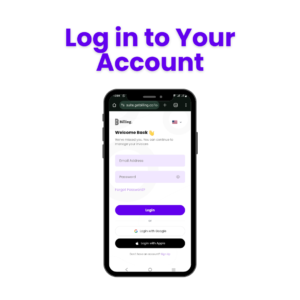
Bevor Sie mit Billing eine Rechnung erstellen können, müssen Sie sich zunächst in Ihr Konto einloggen. Falls Sie noch kein Konto haben, Die Anmeldung ist kostenlos.
Schritt zwei: Öffnen Sie den Rechnungsbereich in Ihrem Dashboard.

Nach dem Einloggen navigieren Sie zu Ihrem Rechnungsbereich. Klicken Sie auf „Rechnung erstellen“, um eine Vorlage zu generieren.
Schritt drei: Geben Sie Ihre Kundendaten ein

Wählen Sie einen bestehenden Kunden aus oder erstellen Sie ein neues Kundenprofil. Stellen Sie sicher, dass die Informationen jedes Kunden korrekt sind, bevor Sie ihn hinzufügen.
Schritt vier: Rechnungsdetails eingeben

Nachdem Sie die Kundendaten eingegeben haben, fügen Sie die Rechnungsdetails hinzu, wie zum Beispiel:
- Rechnungsdatum
- Fälligkeitsdatum
- Status Ihrer Rechnung
- Wählen Sie die Rechnungsart aus.
- Zahlungsmethoden
Schritt Fünf: Fügen Sie Ihre Notiz hinzu

Im Abschnitt „Rechnungsdetails“ der Rechnung können Sie eine Notiz für Ihre Kunden hinzufügen. Hier tragen Sie die vereinbarten Zahlungsbedingungen ein.
Schritt sechs: Artikel/Produkt hinzufügen
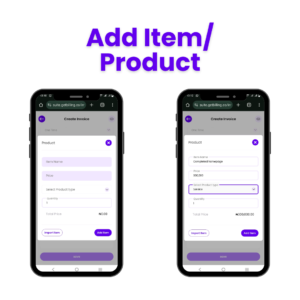
In diesem Abschnitt fügen Sie das von Ihnen gelieferte Produkt oder die Dienstleistung hinzu. Falls Sie noch kein Produkt haben, können Sie es – genau wie die Kundeninformationen – anlegen und hinzufügen. Geben Sie unbedingt Preis, Produkttyp und Menge an, um den genauen Gesamtbetrag zu erhalten.
Schritt Sieben: Steuern und Rabatte hinzufügen (falls zutreffend)

Nachdem Sie Ihren Artikel hinzugefügt haben, geben Sie bei ems Ihre Steuern und Rabatte in Prozent an, jedoch nur, wenn welche hinzuzurechnen sind.
Schritt Acht: Track and Record
Nach diesen Schritten können Sie speichern und fortfahren. Im Rechnungsbereich können Sie Ihre Rechnung verfolgen und den Status ändern (bezahlt, teilweise bezahlt oder überfällig). Anschließend gleichen Sie die Daten mit Ihren Buchhaltungsunterlagen ab.
Steuerliche Aspekte bei der Rechnungsstellung für Freiberufler
Rechnungen sind Finanzdokumente, die sich direkt auf Ihre Steuererklärung auswirken. Jede von Ihnen ausgestellte Rechnung trägt direkt zu Ihrem steuerpflichtigen Einkommen bei, daher sind Genauigkeit und die Einhaltung aller Vorschriften sehr wichtig und zwingend erforderlich.
Hier sind wichtige steuerliche Aspekte, die Freiberufler beachten sollten:
1. Alle bezahlten Rechnungen gelten als steuerpflichtiges Einkommen.
Alle Einkünfte, die nach der Erbringung von Dienstleistungen oder dem Verkauf von Produkten erzielt werden, sind steuerpflichtig. Dies umfasst Banküberweisungen, Kartenzahlungen und andere digitale Zahlungsmethoden. Achten Sie darauf, Ihre Bruttoeinnahmen vor Abzug von Steuern und Abzügen genau zu erfassen.
2. Steuerpflichten für Selbstständige
Als Freiberufler sind Sie für Ihre Steuern selbst verantwortlich. Ihre Steuern werden nicht von Ihrem Auftraggeber einbehalten. Sie sind zur Zahlung von Einkommensteuer und gegebenenfalls – je nach Ihrem Standort – zur Zahlung von Sozialversicherungsbeiträgen und Beiträgen zur Selbstständigkeit verpflichtet.
3. Umsatzsteuer-, Mehrwertsteuer- oder GST-Verantwortung
Manche Freiberufler sind verpflichtet, Umsatzsteuer, Mehrwertsteuer oder GST auf ihr Einkommen zu zahlen. Diese Pflicht hängt von Ihrem Standort, dem Standort Ihres Kunden und Ihrem Einkommen ab. Stellen Sie sicher, dass Ihre Rechnung Ihren Steuersatz und den Gesamtbetrag der Steuer ausweist, falls Sie zur Zahlung dieser Steuern verpflichtet sind.
4. Vierteljährliche Steuervorauszahlungspflicht
Als Freiberufler sind Sie zur Abgabe von Steuervorauszahlungen verpflichtet. Sie können Strafen vermeiden, indem Sie Ihre Einnahmen monatlich erfassen.
5. Führen Sie eine ordnungsgemäße Dokumentation.
Führen Sie Aufzeichnungen über:
- ausgestellte Rechnungen
- Verträge
- Zahlungsbestätigungen
- Belege für Ausgaben
Die Dokumentation hilft Ihnen bei Ihrer Steuererklärung. Sie kann auch im Falle von Prüfungen oder Finanzkontrollen nützlich sein.
6. Trennung von Geschäfts- und Privatkonten
Sie sollten ein separates Konto für Ihre Einkünfte aus freiberuflicher Tätigkeit führen.
Versenden und Zustellen Ihrer Freelance-Rechnungen
Die Erstellung einer professionellen Rechnung ist nur ein Teil des Prozesses. Wie und wann Sie sie versenden, beeinflusst direkt den Zahlungseingang. Klare Fristen und eine ordnungsgemäße Zustellung reduzieren Verzögerungen erheblich. Dies verbessert die Reaktionsfähigkeit Ihrer Kunden.
Wann Rechnungen versenden
Der Zeitpunkt der Rechnungsstellung sollte mit Ihrer Zahlungsstruktur übereinstimmen.
- Bevor die Arbeiten beginnen: Falls Sie eine Anzahlung benötigen, senden Sie die Rechnung bitte direkt nach Vertragsunterzeichnung.
- Bei Meilensteinen: Wenn Sie an einem großen Projekt arbeiten, sollten Sie die Rechnung zu den im Vertrag vereinbarten Zeitpunkten stellen.
- Nach Abschluss des Projekts: Dies ist üblich bei kurzfristigen oder zeitlich begrenzten Projekten.
- Monatliche Honorare: Jeden Monat ein gleichbleibendes Datum. Das wäre eine wiederkehrende Rechnung.
Versenden Sie die Rechnungen unverzüglich. Die Zahlungsfrist beginnt, sobald der Kunde die Rechnung erhalten hat.
Liefermethoden
Wählen Sie diejenige aus, die am besten zum Arbeitsablauf und zur Branche Ihres Kunden passt.
- Kundenportal: Bei manchen Unternehmen müssen Sie die Rechnungen möglicherweise über das Buchhaltungs- oder Beschaffungsportal des Kunden hochladen. Achten Sie darauf, die vorgegebenen Formatierungsrichtlinien einzuhalten.
- Post (selten, aber gelegentlich verwendet): Bei traditionellen oder staatlichen Institutionen werden Sie möglicherweise gebeten, eine Papierrechnung zu senden. Stellen Sie sicher, dass Sie alle Zahlungsdetails angeben und einen Liefernachweis aufbewahren.
- Automatische Zustellung über Rechnungssoftware: Mit einer Rechnungssoftware können Sie Rechnungen per E-Mail versenden. Diese Funktion ermöglicht es Ihnen auch, den Status der Rechnungen zu verfolgen.
- WhatsApp: In vielen Ländern ist WhatsApp der schnellste Weg, Kunden zu erreichen. Fügen Sie immer eine formelle PDF-Rechnung mit klaren Zahlungsdetails bei. Lesen Sie dazu unseren Leitfaden. Wie man eine Rechnung über WhatsApp versendet für eine Schritt-für-Schritt-Anleitung.
Häufige Fehler bei der Rechnungsstellung für Freiberufler, die Sie vermeiden sollten
Auch erfahrenen Freiberuflern unterlaufen Fehler beim Versenden von Rechnungen. Um pünktlich bezahlt zu werden und einen guten Ruf zu wahren, ist es wichtig, diese Fehler zu vermeiden.
- Verspätete Rechnungsstellung: Das ist der häufigste Fehler, den Freiberufler beim Versenden von Rechnungen machen. Es ist wichtig, eine Rechnung so schnell wie möglich zu verschicken.
- Zahlungsbedingungen nicht inbegriffen: Es ist wichtig, die Zahlungsbedingungen der Rechnung, einschließlich des Fälligkeitsdatums (z. B. Netto 7, Netto 15, Netto 30, Fällig bei Erhalt), klar anzugeben.
- Verwendung vager Beschreibungen: Es ist wichtig, die geleistete Arbeit in der Rechnung genau zu beschreiben.
- Berechnungen durchführen: Um Fehler zu vermeiden, ist es wichtig, die Berechnungen sorgfältig zu prüfen.
- Zahlungsanweisungen nicht enthalten: Es ist wichtig, klar anzugeben, wie Sie bezahlt werden möchten.
- Nichtverfolgung von Rechnungen: Es ist wichtig, den Kunden Zahlungserinnerungen zu senden, wenn die Rechnung nicht innerhalb der vereinbarten Frist bezahlt wird.
- Keine Anzahlung von Kunden erhalten: Bei der Planung eines größeren Projekts ist es wichtig, vom Kunden eine Anzahlung zu erhalten.
Wie man mit Rechnungsstreitigkeiten bei Freiberuflern umgeht
Streitigkeiten entstehen durch Unklarheiten bezüglich des Arbeitsumfangs, Preisfragen oder interne Verzögerungen seitens des Kunden. Um fortlaufende Einnahmen und einen langfristigen Ruf zu sichern, ist es wichtig, solche Situationen professionell zu handhaben.
- Überprüfen Sie die ursprüngliche Vereinbarung: Im ersten Schritt sollte der mit dem Kunden unterzeichnete Originalvertrag bzw. die Vereinbarung geprüft werden. Es ist wichtig sicherzustellen, dass Leistungsumfang und Preisgestaltung vor der Reaktion auf die Streitigkeit vereinbart wurden.
- Klare Erläuterung der Rechnung: Im Falle einer Streitigkeit über eine Rechnung ist es wichtig, diese dem Kunden verständlich zu erläutern. Dazu gehört, die geleistete Arbeit und die entsprechenden Beträge klar anzugeben.
- Beifügen von unterstützenden Dokumenten: Es ist wichtig, dem Kunden im Falle einer Rechnungsstreitigkeit entsprechende Belege vorzulegen. Dies können E-Mails, Verträge oder Liefernachweise sein.
- Professionelle Kommunikation: Es ist wichtig, während einer Rechnungsstreitigkeit stets professionell mit dem Kunden zu kommunizieren. Dies beinhaltet eine zügige und professionelle Reaktion auf die Beanstandung des Kunden.
- Fehlerkorrektur: Es ist wichtig, etwaige Fehler auf der Rechnung umgehend zu korrigieren, sofern es sich um einen tatsächlichen Fehler handelt. Dies trägt dazu bei, die Kundenbeziehung und den professionellen Ruf zu wahren.
Vorbeugung ist der beste Weg, um Rechnungsstreitigkeiten mit Kunden zu vermeiden. Dazu gehört eine klare Aufschlüsselung der Rechnung und die Vereinbarung des Arbeitsumfangs vor Beginn der Arbeiten.
Warum Freiberufler Billing zum Versenden von Rechnungen wählen
Immer mehr Freiberufler entscheiden sich für die Nutzung von Abrechnung ihrer Rechnungen Weil es ihre Finanzverwaltung deutlich vereinfacht. Manuelle Rechnungen sind nicht nur fehleranfällig, sondern können auch viel Stress verursachen.
Zu den wichtigsten Vorteilen der Nutzung des Abrechnungssystems gehören:
- Automatisierte Rechnungserstellung: Erstellen Sie im Handumdrehen professionell aussehende Rechnungen, ohne mühsam von Grund auf neu beginnen zu müssen.
- Zahlungsverfolgung: Behalten Sie ganz einfach den Überblick darüber, welche Rechnungen versendet, eingesehen oder bezahlt wurden.
- Geplante und wiederkehrende Rechnungen: Regelmäßige Arbeiten werden den Kunden automatisch in Rechnung gestellt.
- Integrierte Steuerberechnung: Die richtigen Steuern werden gemäß Ihren Einstellungen automatisch auf jede Rechnung angewendet.
- Sichere Zahlungsoptionen: Kunden können direkt über die von Ihnen gesendeten Links bezahlen, wodurch Sie schneller bezahlt werden.
- Komfortables Finanzmanagement: Alle Ihre Finanzunterlagen werden an einem Ort aufbewahrt.
Häufig gestellte Fragen zur Rechnungsstellung für Freiberufler
1. Kann ich als Freiberufler Rechnungen stellen?
Ja. Als Freiberufler können Sie, abhängig von den lokalen Vorschriften, auch dann rechtmäßig Rechnungen für Ihre Dienstleistungen ausstellen, wenn Sie unter Ihrem eigenen Namen und ohne eingetragenes Unternehmen tätig sind.
2. Wie erstellen Freiberufler Rechnungen?
Freiberufler erstellen Rechnungen mithilfe von Abrechnungssoftware, Buchhaltungsplattformen oder strukturierten Vorlagen, in denen Leistungen, Preise, Steuern (falls zutreffend) und Zahlungsbedingungen aufgeführt sind.
3. Muss ich als Freiberufler Umsatzsteuer berechnen?
Das hängt von Ihrem Standort, dem Standort des Kunden und der Art der Dienstleistung ab. Prüfen Sie die lokalen Steuergesetze, um festzustellen, ob Umsatzsteuer, Mehrwertsteuer oder Waren- und Dienstleistungssteuer anfällt.
4. Kann ich eine Rechnung nur mit meinem Namen, aber ohne Firmennamen, ausstellen?
Ja. In den meisten Rechtsordnungen können Sie als Einzelunternehmer unter Ihrem rechtlichen Namen Rechnungen stellen, obwohl in einigen Regionen für bestimmte Dienstleistungen eine Gewerbeanmeldung erforderlich sein kann.
5. Wie gehe ich mit Währungen für internationale Kunden um?
Geben Sie die Währung in Ihrem Vertrag und Ihrer Rechnung an. Verwenden Sie eine Rechnungssoftware wie Billing, die die Abrechnung in mehreren Währungen unterstützt und gegebenenfalls Wechselkurse übersichtlich anzeigt.
Schlussbetrachtung
Die Bezahlung ist ein Aspekt der Freiberuflichkeit, über den kaum jemand spricht, der aber genauso wichtig ist wie die Arbeit selbst. Eine gut formulierte Rechnung ist mehr als nur eine Zahlungsaufforderung. Sie spiegelt wider, wie ernst Sie Ihr Geschäft nehmen und wie professionell Sie gegenüber Ihren Kunden auftreten.
Die gute Nachricht: Rechnungsstellung muss nicht stressig sein. Sobald Sie die Grundlagen verstanden und einen für Sie passenden Prozess entwickelt haben, wird es zur Gewohnheit. Sie erledigen es schnell, souverän und ohne langes Nachdenken.