
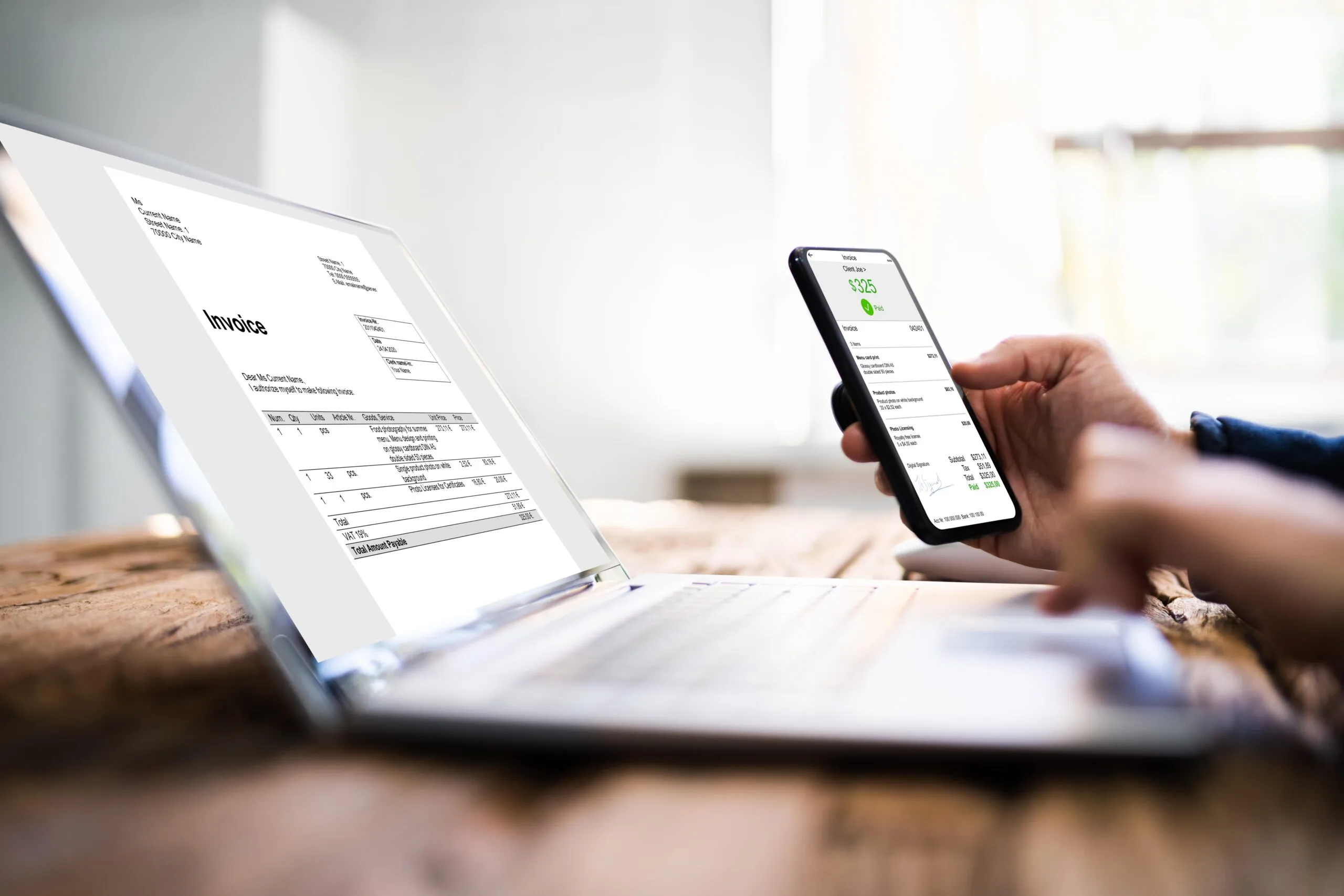
If you’ve ever tried to figure out how to invoice without a business, you’ve probably run into the same frustrating advice: get registered first. But that’s simply not true, and it’s a misconception that has cost countless freelancers and independent contractors time and money while waiting to get paid.
The reality is that you can absolutely issue an invoice as an individual. No LLC, no business license, no official entity required. Whether you’re freelancing, consulting, or doing occasional contract work, you already have the right to bill for your services professionally and legally. This guide walks you through exactly how to do that: confidently, correctly, and without the headaches most people assume come with the territory.
Can You Invoice Without a Registered Company?
Yes, you can.
You do not need a registered business structure to create invoices. Anyone can make their own invoices using their personal information, for example, when offering services or selling products. Freelancers, for instance, can create their own invoices using their personal information even if they are sole proprietors.
What matters most is not whether you own a business or not, but whether:
- The invoice has a clear indication of a service provider.
- The transaction is genuine.
- The income is appropriately reported for taxation purposes.
If these requirements are satisfied, then your invoice will be considered valid.
Legal Considerations for Invoicing as an Individual
While invoicing without a company is legal, there are some regulations you need to observe.
Firstly, your actual identity needs to be used. This means your complete and proper legal name and address. Using pseudo-business names without proper registration may lead to legal matters.
Secondly, taxation requirements are still applicable despite all the above. It is important to report all the income earned through the invoices, even if you are not registered as a business.
In most countries, this may fall under personal income tax, self-employment tax, or freelance income reporting.
Thirdly, the matter of local regulations. In some states, people have to register themselves as sole proprietors if their income surpasses a specific level. Invoicing is permissible until the time one is compelled to register.
The main point is: invoicing remains legal, though compliance requirements are non-negotiable.
What Information to Include on Your Individual Invoice
An invoice issued to an individual must be professional-looking and detailed. It must at least include the following:
- Your full legal name
- Your Contact information (email and phone number)
- Your address (your home address is acceptable)
- Client’s name and address
- Invoice number
- Data della fattura
- Description of the services/products supplied
- Amount due and currency
- Payment terms (payment method and due date)
If applicable, you should also include:
- Tax identification number (where required)
- Applicable taxes payable, and a note saying taxes not included
An invoice should clearly state the expected date for receipt of the money. The more detailed, the better.
Step-by-Step: How to Invoice a Company as an Individual
An invoice created without a company has the same structure as any other professional invoice.
Step 1: Choose an invoice format
Puoi use an invoice generator, spreadsheet template, or some invoicing software designed for individuals.
Step 2: Enter your personal information
Use your full name instead of a company name. This is legally binding.
Step 3: Fill in the client details
Ensure that all the information about the clients is accurate for the purpose of avoiding delays in payments.
Step 4: Describe the clear service
Try to avoid ambiguous descriptions. Instead, specifically state what was provided and at what time.
Step 5: Establish payment terms
Specify the due date, accepted forms of payment, and late payment expectations.
Step 6: Save and send professionally
Send your invoice as a PDF and save a copy for your records.
Tips for Creating Professional Invoices Without a Company
Professionalism is not an attribute of business incorporation; it is an attribute of clarity and consistency.
- When requesting reimbursement, use clean, well-structured invoice layouts
- Use consistent numbering in invoices
- Avoid using colloquial
- Use a professional email address
- Specify the payment deadline
A well-crafted invoice shows credibility even if the company name is not in use.
Common Mistakes to Avoid When Invoicing as an Individual
Invoicing errors often result from mistakes that can be prevented.
- Omitting crucial information, such as invoice numbers
- Use of nicknames instead of official names
- Failure to indicate payment terms
- Not keeping copies of sent invoices
- Overlooking tax implications
By avoiding the following pitfalls, you will ensure the protection of your income as well as your reputation.
Come la fatturazione può aiutare
Hand-processing invoices can cause a lot of stress, particularly when the number of invoices to process grows. Billing is a system that can simplify the process of invoicing by automating the creation, numbering, reminding, and following up on bills without needing a registered company.
A centralized invoicing system facilitates the following for you:
- Prepare professional invoices in minutes
- Monitor overdue bills
- Send out automatic payment reminders
- Keep proper records regarding tax returns
This helps to eliminate friction and enables you to do your work instead of doing paperwork.

FAQs About Creating Invoices Without a Company
1. Can I invoice someone without a company?
Yes, you can. You do not need a registered business to send an invoice to someone. Whether you are billing an individual or a company, all you need is proof of the service or product you provided and a document that clearly outlines the amount owed. Using your own name, contact details, and a breakdown of the work is enough to create a valid invoice. As long as you stay on top of your tax responsibilities, invoicing without a company is perfectly legitimate.
2. Can I invoice a company as an individual?
Absolutely. Many companies regularly hire and pay individuals for freelance or contract work and they expect to receive invoices for those services. Simply use your own name in place of a business name. Some companies may ask for additional details like a tax identification number depending on your country, but as long as the work was agreed upon and completed, a company can process and pay an invoice from an individual without any issues.
3. Can I use my home address on invoices?
Yes, if you don’t have a business address, a home address is acceptable.
4. What should I write where it says “Company Name”?
You can write down your full legal name or leave it blank and clearly state yourself as the service provider.
5. Will clients take me seriously without a company?
Certainly, clients are concerned more about clarity, professionalism, and follow-through, rather than whether or not the business is registered.
6. How do I handle taxes on invoice payments I receive?
Payment receipts from invoices must be reported as personal or self-income sources in compliance with local tax laws.
7. Can I create invoices on my phone?
Yes. Many invoicing platforms have mobile apps where you can create and send invoices. Billing has mobile-friendly features that make billing less stressful and easier.
8. Can I invoice someone without a contract?
Yes, although this is always advisable when you have a contract. An invoice can still be used as a payment request for the various services that have been delivered.
9. Can I legally send an invoice if I’m not a company?
Yes, you can. Being a registered company is not a requirement to send an invoice. As long as you have provided a service or sold a product, you have every right to request payment. Just make sure your invoice includes your full name, contact information, a description of the work done, and the amount owed. Depending on where you live, you may also need to account for certain tax obligations, but invoicing as an individual is completely legal.
Per riassumere…
To create professional invoices for your services, you do not necessarily require a registered company. You can produce invoices for your clients by incorporating your personal information.
With an understanding of the requirements and tools in place, doing business without an incorporated company becomes easy, credible, and scalable. Taking this approach allows you to get paid confidently while deciding if and when formal business registration makes sense for you.