
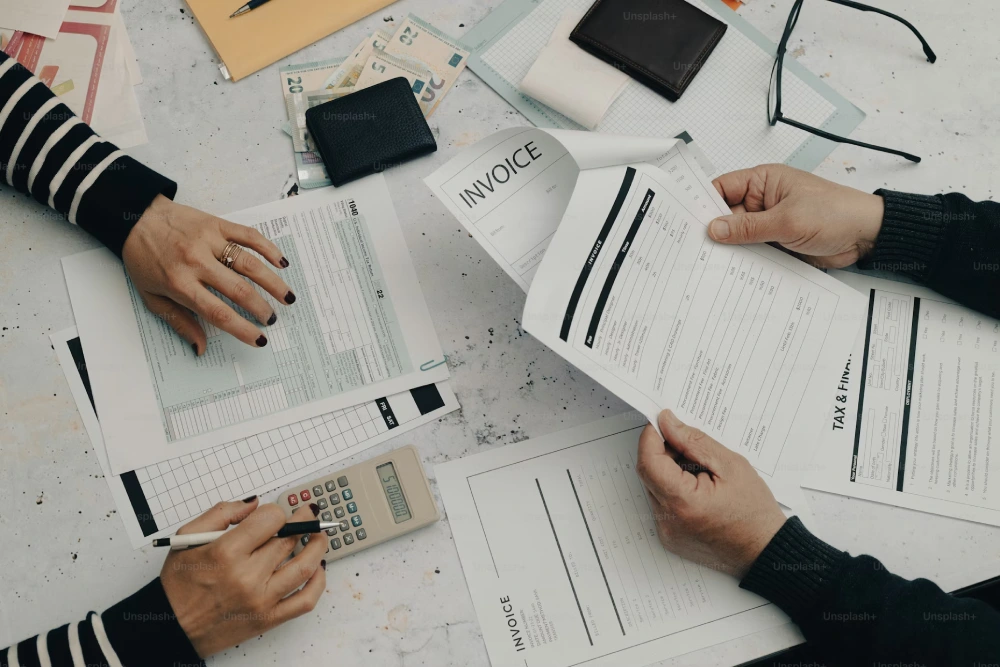
An invoice is a request for payment sent before payment is made, while a receipt is proof of payment issued after payment is received. Understanding this difference is essential for freelancers, new business owners, and small businesses in Nigeria.
These terms are often used interchangeably, which can lead to confusion, delayed payments, and problems with recordkeeping or tax compliance. By the end of this guide, you’ll clearly understand the difference and know when and how to use each document professionally.
What is an Invoice?
An invoice is a formal payment request sent before a transaction is completed. It’s a document of your business issues to a customer to request payment for goods or services rendered.
Key points:
- Timing: Issued before payment
- Purpose: Requests payment for goods/services provided
- Legal status: Creates an obligation for the customer to pay
- Common terms: Sales invoice, bill
Want to learn more? We cover everything you should know about an invoice in this article: What is an Invoice in Simple Terms?
What is a Receipt?
A receipt, on the other hand, is proof that a transaction has occurred. It confirms that payment has been received and provides a record for both the customer and your business.
Key points:
- Timing: Issued after payment
- Purpose: Confirms that payment has been made
- Legal status: Confirmation of a completed transaction
- Common terms: Proof of purchase, sales receipt
If you want an easy breakdown of how to create clean, professional receipts, check out our guide on simple steps to create receipts for your small business.
Key Differences: Invoice vs Receipt
| Feature | Fatura | Receipt |
| Timing | Before payment | After payment |
| Purpose | Requests payment | Confirms payment received |
| Content | Details of goods/services, amount due, payment terms | Amount paid, method of payment, date of transaction |
| Legal implication | Creates an obligation to pay | Confirms transaction fulfillment |
| Initiated by | Seller/business | Seller/business |
| Can be modified | Yes, before payment | Rarely, only to correct errors post-payment |
By keeping these differences in mind, you can avoid common mistakes that disrupt cash flow or tax records.
What Information Should an Invoice Contain?
A professional invoice should contain:
- Your business name, address, and contact information
- Customer’s full name and contact address
- Unique Invoice Number
- Invoice date and due date
- Description of goods/services provided
- Quantity, unit price, total amount
- Tax information (if applicable)
- Payment instructions and accepted methods
Following these invoice essentials ensures that your documents are compliant and reduces delays in payments.
What information should be on the receipt?
Receipts on all purchases should show clearly:
- Your name and contact information
- The customer name is optional for small transactions.
- Receipt number
- Date of payment
- Description of goods/services purchased
- Total amount paid
- Payment method: cash, credit/debit card, bank transfer
- Tax information, if any
A well-documented receipt is crucial for audit purposes, tax filings, and building trust with customers.
How do I create invoices and receipts with Billing?
Com faturação, you get an easy way to create clean, professional invoices and receipts for every transaction. You can generate an invoice automatically with each sale, track payments in real time, and send instant receipts straight to your customers.
Your documents can be customized with your business branding so everything you send out looks polished and consistent. And with all your records stored in one tidy digital space, it becomes much easier to stay on top of your finances.
This is a lifesaver for both small businesses and large-scale corporations because it cuts out all the paper stress and messy manual tracking.
Here’s a quick video walking you through how to create a receipt in Billing. The whole thing takes under 2 minutes to watch. Watch the guide here.
Common Mistakes to Avoid
By paying attention to these common mistakes, you can save time, prevent confusion, and keep your business financially organized:
- Mixing invoices with receipts can create confusion within your records.
- Poor documentation by omitting important information, such as taxes or terms of payment.
- Sending invoices without unique identifiers makes tracking and reconciliation very difficult.
- Issuing receipts long after payment has been made, thus creating gaps in your record-keeping.
- Using informal or improvised documents instead of professional templates may appear unprofessional.
Addressing these common mistakes helps your business sustain a professional outlook while ensuring smoother cash flow and making you audit-ready.

Frequently Asked Invoicing and Receipts Questions
- What is not placed on an invoice? Avoid unnecessary personal information, informal notes, or payment instructions that could confuse the client. Keep it professional and clear.
- Can an invoice be used as a receipt? No. An invoice is a payment request, not a confirmation. Once payment is received, a receipt should be issued.
- What must legally be on an invoice? Legal requirements usually include your business name, tax identification, invoice number, date, and itemized description of services or goods.
- Is it possible to claim without a receipt? Generally, Nigerian tax authorities require proof of transaction. Receipts serve as official evidence.
- Should I send both an invoice and a receipt? Yes, invoices request payment; receipts confirm payment. Both documents are important for professional and legal purposes.
- Is it legal to require receipts? For most businesses, yes. They are essential for accounting, audits, and tax compliance.
- How long should I maintain the invoices and receipts? It is recommended to retain records for at least 5 years to comply with Nigerian tax regulations.
- What is a pro forma invoice? A preliminary invoice is sent before goods/services are delivered, often used for customs or advance payment purposes.
- How do I make professional invoices for my small business? Using a reliable invoicing platform like Billing ensures professionalism and brand consistency.
- Is an invoice proof of payment?
No. An invoice is a payment request, not proof that payment was made. Proof of payment is a receipt, bank confirmation, or payment record. - Do freelancers need both invoices and receipts?
Yes, in most cases. Freelancers use invoices to request payment and receipts to confirm payment after it’s received. Having both helps with records, taxes, and client clarity. - Can one document be both an invoice and a receipt?
Yes. Once an invoice is fully paid, it can be marked as “Paid” or “Receipt” and serve both purposes, as long as it clearly shows payment details and date.
The Bottom Line Is…
Invoices and receipts serve distinct, crucial roles in your business finances. Understanding the difference helps you maintain professionalism, receive payments on time, and comply with Nigerian tax regulations. Use professional templates, digital platforms, and consistent processes to stay organized, reduce errors, and protect your business. Whether you’re a freelancer, solopreneur, or small business owner, mastering invoices and receipts is one of the simplest steps toward financial stability and operational excellence.