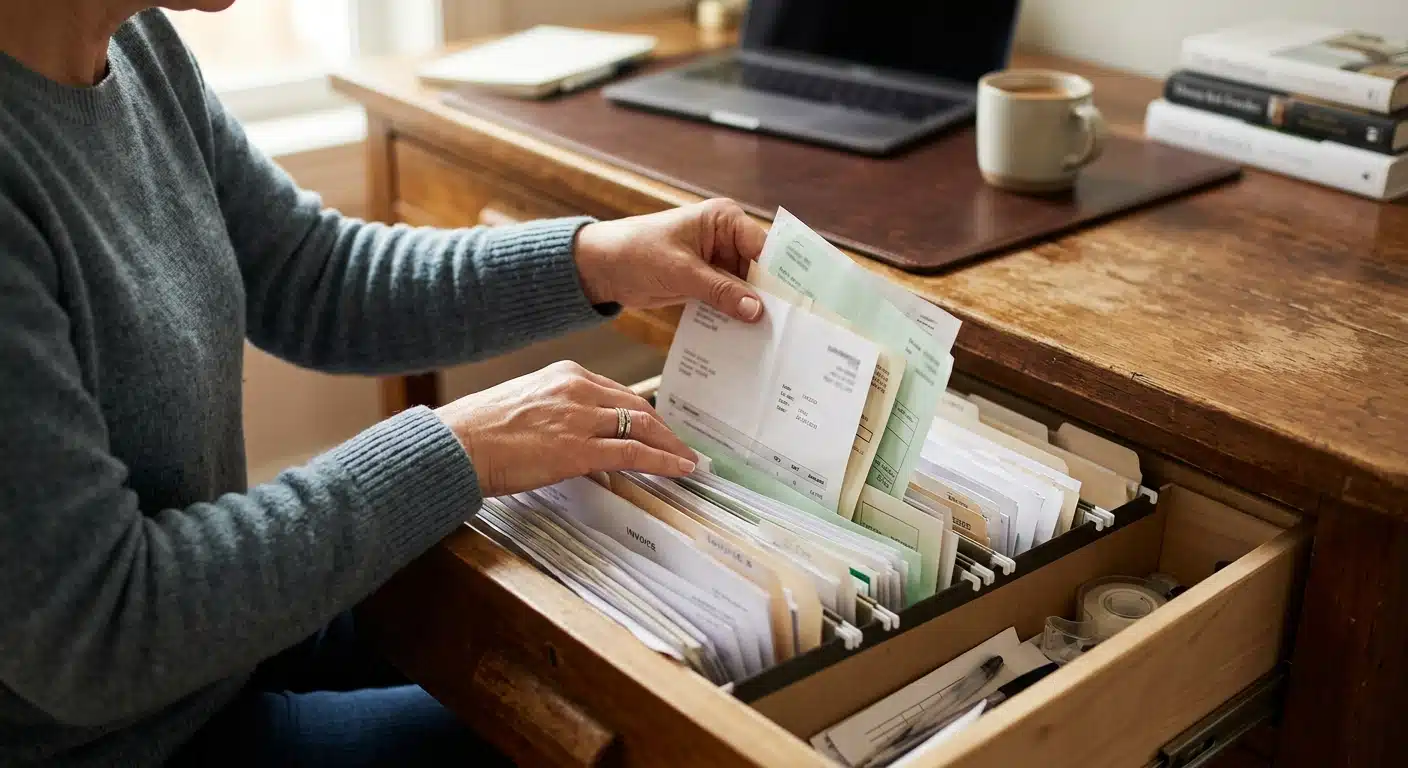

Late payments don’t just slow down cash flow; they destabilise it. For most US freelancers, work gets delivered promptly, but payments aren’t processed until weeks or even months later; they get slow payments when using basic time-tracking systems such as emails and their memories.
As client volume increases, the problem becomes more tedious. Without any clear system, overdue invoices slip through the cracks, follow-ups happen too late, and revenue becomes unpredictable.
Why Late Payment Tracking Matters
Most freelancers don’t have a cash flow problem; they have a tracking problem. When you manage multiple clients, invoices, and due dates simultaneously, it becomes easy to lose visibility into who owes what and when follow-up is due. A basic tracking system enables you to identify issues before they escalate and maintain a more predictable cash flow.
- Late payments disrupt cash flow: When clients pay late, freelancers often struggle to predict income and cover business expenses on time.
- Unstructured chasing wastes valuable time: Without a tracking system, freelancers spend unnecessary time searching emails, checking invoices, and figuring out which invoices still need attention.
- Multiple overdue invoices create bigger problems: One late payment may be manageable, but several overdue invoices across different clients can quickly create cash-flow pressure and make collections more difficult.
What Information to Record for Every Invoice You Send in the US
Late payments are very difficult to monitor if you just write down the invoice amount and the due date. A tracking system provides enough detail to check the status of each invoice at a glance, identify late accounts at a glance, and follow up appropriately when invoices fall behind.
For every invoice you send to the US, you should record the following:
- Kundenname
- Client contact information
- Rechnungsnummer
- Invoice issue date
- Payment due date
- Rechnungsbetrag
- Payment status (paid, pending, or overdue)
- Date payment was received
- Payment method
- Project or service description
- Follow-up dates
- Notes on client communication
- Outstanding balance (if partially paid)
- Late fee status (if applicable)
How to Track Late Invoice Payments from Clients in the US
When you have captured the necessary information, you’ll want a system to track your payment deadlines, overdue payments, and act before slow payments damage your cash flow. The best approach will vary depending on the size of your customer base, but you should always be able to tell, at a glance, which invoices have been paid, are pending, and are overdue with the approach you use.
- Spreadsheet tracking: Freelancers tend to use tools such as Excel or Google Sheets to log invoices, which is effective only if there are a small number of clients but harder to manage when there are more clients.
- Calendar-based reminders: Freelancers set due dates and add reminders for follow-ups using Google Calendar or other applications. Although this assists with timing, it does not give an overall overview of payments.
- Email folder system: Freelancers organise invoices by sent, paid, and overdue using email labels. This improves visibility but still relies heavily on manual updates.
- Notebook or manual logs: Some freelancers track payments physically. This creates a risk of errors and makes searching difficult.
- Dedicated invoicing software: Freelancers use invoicing platforms to automatically track invoice status, flag overdue payments, and centralise client billing history. Billing helps freelancers manage invoices in one place so they can see what is paid, pending, or overdue without manual tracking. Jetzt kostenlos anmelden.
- Bank reconciliation tracking: Freelancers match invoices against bank deposits to confirm payment status. This improves accuracy but does not help with proactive follow-ups.
How to Follow Up on a Late Payment in the US
Freelancers are more likely to recover late payments through timely and consistent follow-ups. You are more likely to get paid for invoices that age when you act quickly, adjust your tone, and stay professional about the situation. A very clear process also prevents awkward communication and removes guesswork from client interactions.
1. Send a polite reminder 1-3 days after the due date
Send a short, polite follow-up message shortly after the due date if you still haven’t received payment. Assume it’s an oversight on the client’s part.
Be specific about the invoice you’re referring to, reiterate how much you’re owed, and ask if the client has the information they need to make the payment.
2. Follow up again after 7-10 days
It would be appropriate to send a follow-up reminder at the end of the week if the payment is still pending. Now, be more firm, but remain professional.
Reattach your invoice, re-establish the deadline, and ask direct questions regarding the payment status. This will create urgency without jeopardizing a positive relationship.
3. Increase urgency after 14-30 days
If you do not receive payment within 2-4 weeks of the reminder, escalate your tone. Cite the earlier reminders and make it obvious that this invoice is now considerably overdue.
Ask for payment immediately and create a timeline for when to expect it.
4. Escalate for non-responsive clients
This is the time to take the next formal step once the client does not respond to various follow-ups. You could suspend the service, serve a formal letter demanding the payments, or make preparations for possible legal action, as appropriate to the contract.
5. Keep all communication documented
Keep copies of all correspondence (emails, messages, replies) regarding the invoice. This will enable you to form a base for disputes.
Legal Options for US Freelancers When a Client Refuses to Pay
In the majority of cases of non-payment, it is just a matter of following up with your client, but some clients just don’t respond or take too long. If you are in this situation, here are a few things you could do to get paid back while ensuring you don’t compromise your legal standing.
1. Send a formal demand letter
A demand letter formally requests the payment and details how much, by when, and what will happen if no payment is received. Several of the clients take action when they have been sent a written demand, as it indicates that a further step has been taken regarding their payment.
2. Use small claims court
Freelancers can use the small claims court system to recover unpaid invoices without enduring a legal battle. Each state sets a limit on how much money can be claimed, but this is sometimes not a good option for less substantial disputes where the legal expenses would outweigh the amount of the unpaid debt.
3. Work with a collections agency
When subsequent follow-ups fail, you can always employ the help of a collections agency, which will pursue the debt for you. They usually charge a commission on anything they retrieve, but can save you a good deal of time and effort.
4. Consult an attorney
For a larger amount that is unpaid, an attorney can look at your contract, explain the possibilities, and guide you through the legal process. Legal advice is useful, especially when the issue pertains to the scope of the contract or the terms in it.
5. Protect yourself with documentation
Hold on to all your contracts, invoices, payment terms, approval of projects, and correspondence between you and the client. Maintaining clear records is your evidence in the case of negotiating, litigation, or defending the debt.
Given the variations in debt collection laws by state, freelancers may want to seek legal counsel before taking formal action against a client who has failed to pay.
We break down the warning signs that suggest a client may delay or avoid paying their invoice.
Häufig gestellte Fragen
1. How long should I wait before chasing a late invoice payment?
You can send your initial reminder between 1 to 3 days past the due date. Sending reminders early can catch missed payments early and prevent short delays from becoming long-term payment problems.
2. What is the best way to follow up on a late invoice without being rude?
Be professional, clear, and most of all, keep to facts about the invoice and don’t let your emotions get the better of you. Begin with a courteous reminder, restate the invoice details, and inquire if the client requires any further information in order to make the payment.
3. Can a freelancer take a client to small claims court for non-payment?
Yes. Freelancers can use small claims court to recover unpaid invoices, provided the amount falls within their state’s claim limits and they have supporting documentation.
4. How do I protect myself from late payments before starting a project?
You can reduce payment risk by using written contracts, requesting deposits, defining payment terms clearly, and sending invoices promptly after completing work.
5. What should I do if a client ignores all my follow-up messages?
You should escalate the situation by sending a formal demand letter, consulting an attorney, pursuing small claims court, or working with a collections agency, depending on the amount owed and the circumstances.
Schlussbetrachtung
Late payments are not just a normal part of freelance work. By chasing every invoice, checking outstanding accounts daily, and following up promptly, you avoid payment problems and keep the cash flowing.
The process is a lot simpler with a good system in place. Billing helps freelancers track invoice status, monitor overdue payments, and stay organised so fewer invoices slip through the cracks and more payments arrive on time.