
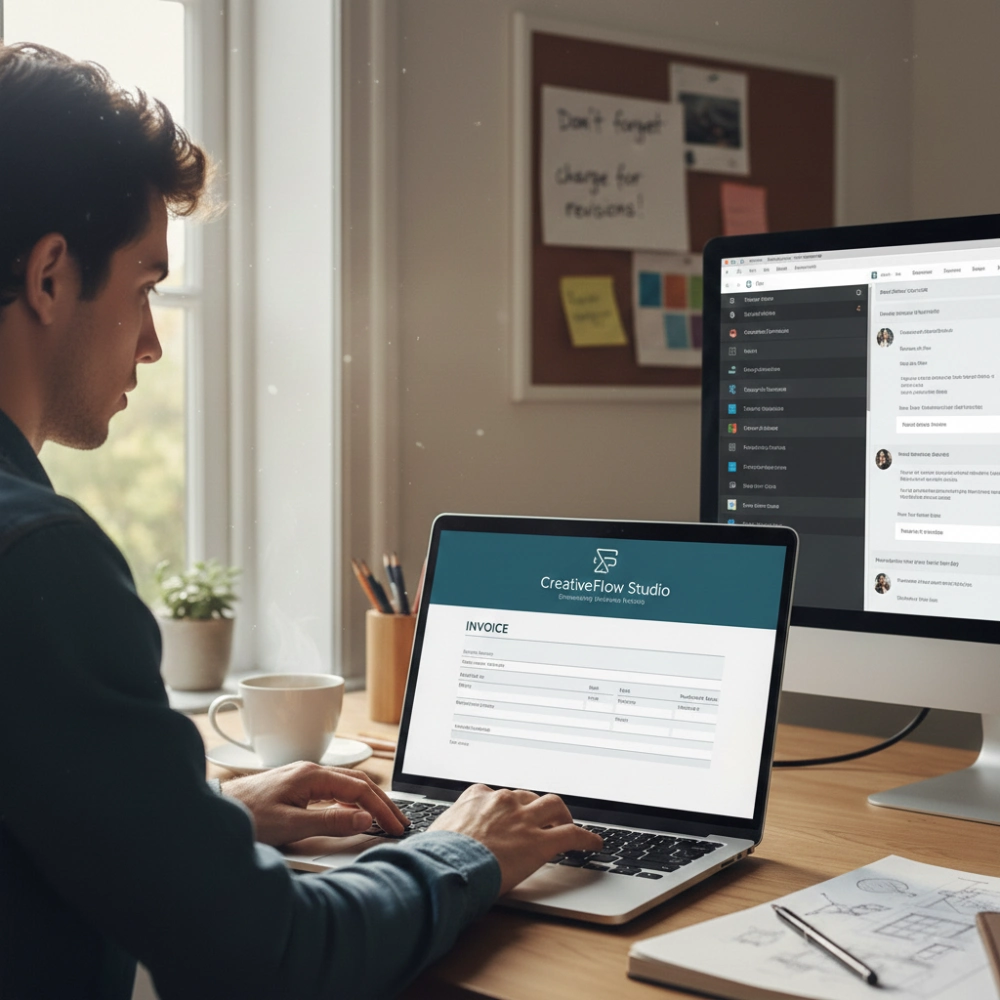
Most people who go freelance spend months thinking about the work they will do and the clients they will land. Very few think about what happens after the work is done. Then reality hits. There is no HR department waiting to process your payroll, no finance team hunting down late clients, and no automatic deposit landing in your account every Friday. Just you, your work, and the slightly uncomfortable task of asking someone to pay you for it.
That task has a name: invoicing. And for many new freelancers, it is where confidence goes to die. Suddenly, you are second-guessing your formatting, stressing over payment terms, and wondering whether you even need to charge tax. The work felt exciting. This part feels like homework.
But invoicing is not a boring chore you tolerate on the side. It is necessary for your entire freelance business, and getting it right is what actually turns your skills into income.
Why Proper Invoicing Matters
Invoicing is not just a billing formality; it directly affects your cash flow, gives you legal protection, andlong-termm credibility as a business.
These are some of the reasons why proper invoicing is important:
1. Proper Invoicing Establishes You as a Professional
A structured and detailed invoice shows your clients that you are operating as a business and not just a hobbyist or casually. It communicates that:
- You have a clear scope of your work
- You have a defined price
- You have expectations when it comes to payments
- You have an organized method of keeping records
This reduces friction and helps you build trust with your clients.
2. It Ensures You Legal Protection
An invoice is a financial document as well as a supporting legal document. In the case where disputes arise, an invoice can show:
- What services have you rendered
- When these services were rendered
- And the agreed-upon payment terms
According to the IRS, freelancers must maintain proper record-keeping etiquette for tax reports. Proper invoicing gives freelancers compliance and audit leverage.
3. It Improves Proper Cash Flow
Freelancers do not have a defined payment cycle. Proper invoicing systems determine:
- When you receive payments
- How consistent are these payments are
- How often do you receive late payments
Having clear payment terms, due dates, and follow-ups will definitely reduce late payments.
Poor invoicing leads to:
- Delayed payments
- Income instability
4. It Simplifies Tax Filing
Freelancers are responsible for tracking:
- Gross income
- Sales tax (if applicable)
- VAT (if registered)
- Quarterly estimated tax (only in some countries)
Clean and proper invoices make bookkeeping less stressful during tax seasons.
If you are not sure about how record-keeping relates to bookkeeping, then you should check out our guide on bookkeeping for freelancers for the essentials. This will give you more clarity on the subject.
5. It Helps You Analyze Your Business
Your invoices can be a form of gathered data, and over time, they can show:
- Your highest paying clients
- Your most profitable services
- Trends that work with seasons
- Slow-paying accounts
This data helps you forecast revenue, adjust pricing, and restructure services.
Having a proper invoicing system is not optional; it is a must to make you look professional as a freelancer.
What to Include on a Freelance Invoice
An invoice must be clear, complete, and well-structured. Missing details in an invoice can lead to delayed payments, confusion, and disputes.
Below is what a professional invoice should contain:
1. Your Business Information
At the top right of your invoice, you should include:
- Your full legal name or your registered business name
- Business address
- Email address
- Phone number
- Tax ID or registration number, if applicable in your country
If you are operating as a sole proprietor, you can include your legal name.
2. Your Client’s Information
Your invoice must include your client’s information. This includes:
- Client’s name or company name
- Contact person
- Company address
- Email address
This way, your invoice is sent out to the right person, especially in large corporations.
3. Unique Invoice Number
Every invoice must have a unique number to avoid duplication.
Some examples of an invoice’s unique number format include:
- 001, 002, 003
- INV-2026-001
- 2026-02-001
This improves bookkeeping and audit trails.
4. Invoice Date and Due Date
Your invoice should include:
- Invoice Date: When the invoice was issued
- Invoice Due Date: When payments must be issued
Always be specific about the due date.
For example:
- Invoice Date: March 2nd 2026
- Due Date: March 5th 2026
5. Description of Services
This section must be detailed but also specific.
Instead of writing: “Design Work.”
Write: Homepage UX design for 10 hours at $80/hr
Always make sure to use clear descriptions to avoid disputes and speed up approvals.
6. Rate and Quantity
Make sure to always break down your prices properly:
- Hourly rate × hours worked
- Flat project fee
- Retainer amount
- Milestone payment
For example:
| Service | Quantity | Rate | Total |
| Website copywriting | 10 pages | $150/page | $1,500 |
Always be transparent; this prevents disagreements and disputes.
7. Subtotal
Always remember to list out the total before adding tax.
8. Tax (if applicable)
Depending on your country, you may need to include:
- Sales tax
- VAT
- GST
Always make sure to verify if your services are taxable in your jurisdiction.
9. Total Amount Due
Clearly state the total amount due on your invoice. This should be highlighted differently for easy spotting.
10. Payment Terms
Some common terms include:
- Net 7
- Net 15
- Net 30
- Due on receipt
- 50% upfront / 50% on completion
Specify late fees if applicable.
11. Accepted Payment Methods
Make sure to state your preferred payment methods.
Some examples include:
- Bank transfer (include your account details)
- Paypal
- Stripe
- Wise
- Direct Deposit
Always specify to avoid confusion.
A complete invoice eliminates room for confusion. Any missing details can lead to late payments and inconsistent cash flow.
What are Common Payment Terms for Freelancers?
Payment terms are what define when and how you get paid. If the payment details are unclear, it could lead to payment delays.
Below are the most common payment term structures freelancers use:
1. Net 7
This means that payment is due 7 days after the invoice date. It is best for:
- Short projects
- Ongoing clients with fast payment records
- The freelancers who prioritize very tight cash flow
2. Net 15
This means that payment is due after 15 days. These payment terms are more balanced professionally, but not as rigid as Net 7.
3. Net 30
This means that payment is due 30 days after the invoice date. This invoice is most common with:
- Corporate clients
- Agencies
- Large organizations with more organized accounts
Always be cautious, longer terms affect cash flow significantly.
4. Due on Receipt
This means that payment is due upon receiving the invoice. This is best for:
- Small projects
- One-time work
- New clients
- Digital service delivery
5. Upfront Deposit
This is the most common structure used by freelancers. Examples include:
- 50% upfront, 50% upon completion
- 30% upfront, 40% mid-project, 30% upon completion
This structure protects you from:
- Scope creep
- Abandonment of projects
- Non-payment risks
Deposits are strongly advised for new freelancers.
6. Retainer Agreements
This means that clients will pay a fixed amount of money monthly for ongoing services. For example:
- $3000 per month for social media management
- $2500 per month for marketing consulting
Retainers leave room for cash flow consistency.
7. Milestone-Based Payment
This structure of payment terms is used for large projects.
This type of payment can be tied to:
- Phases of big projects
- Upon completion of deliverables
- Specific deadlines
This spreads risks among both parties.
8. Late Fees and Penalties
You can include penalties that would occur if payment is delivered after the due date. It could be:
- 1-5% late fees
- Flat late fees (e.g,. $50 5 days after due date)
- Suspension of work pending when payments come in
Make sure to always state it in your invoice.
9. Early Payment Discount
You can always include a 2% discount for early payments in your invoices. This way,y you might increase your chances of getting paid early.
Step-by-Step: Creating Your First Invoice With Billing
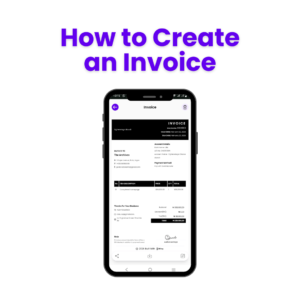
Invoicing must always follow your agreed payment structure. You can invoice your clients before you start the work, during milestones of a project, or upon completion of the work. The steps below apply to you regardless of when you decide to invoice your clients.
No,w before you start creating an invoice with the Billing platform, you must already have a business account with Billing. If not, you start by creating a profile before you can create an invoice. So if you have not created a profile yet, go do that first, then come back here to follow each step.
Step One: Log in to Your Billing Account
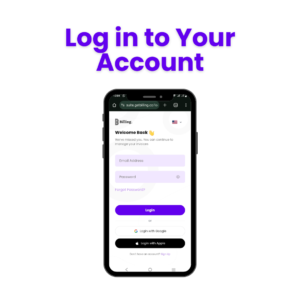
Before you can create an invoice with Billing, you must first log in to your account. If you do not have one yet, you can sign up for free.
Step Two: Open the Invoice Section On Your Dashboard
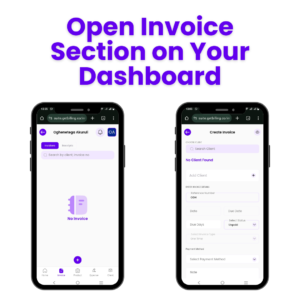
Once logged in, navigate to your invoice section. Click create invoice to generate a template.
Step Three: Enter Your Client Information

Select an existing client or create a new client profile. Ensure that every client’s information is accurate before including it.
Step Four: Enter Invoice Details
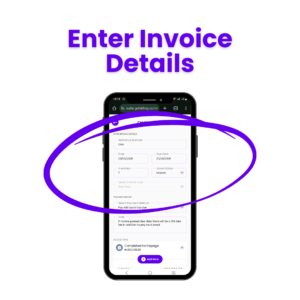
After you enter your client’s information, you add the invoice details like:
- Invoice date
- Due date
- Status of your invoice
- Select what type of invoice
- Payment methods
Step Five: Add in Your Note
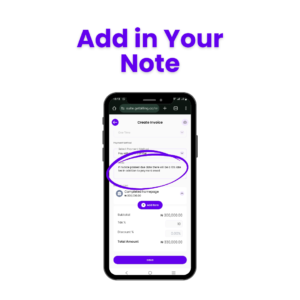
In the invoice details section of the invoice, you can add a note for your clients. This is where you add in your agreed-upon payment terms.
Step Six: Add Item/ Product
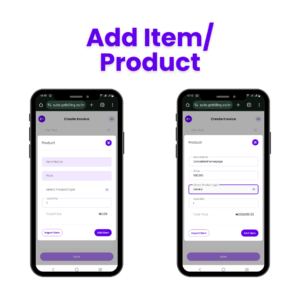
This section is where you add the product or service you have delivered. If you don’t have a product already, just like the client information,n you can create and add your product. Make sure to put in the price, type of product, and the quantity to get an accurate total.
Step Seven: Add Tax and Discount (if applicable)

After adding your item, ems you add in your tax and discount, in %, but only if there is any to be added.
Step Eight: Track and Record
After these steps, you can save and continue. In the invoice section, you can track your invoice and change the status (paid, partially paid, or overdue). Then reconcile in your bookkeeping records.
Tax Considerations for Freelance Invoicing
Invoices are financial records that directly affect your tax reports. Every invoice you issue contributes directly to your taxable income, so accuracy and compliance are very important and compulsory.
Here are key tax considerations freelancers should understand:
1. All Paid Invoices Count as Taxable Income
Any income earned after providing services or products is considered taxable income. This includes bank transfers, cards, or other digital payment methods. Ensure consistency in tracking your gross income before making deductions.
2. Self-Employment Tax Responsibility
You are responsible for your taxes as a freelancer. Your taxes are not withheld by your client. You are liable to pay income tax and possibly self-employment and social contribution taxes, depending on your location.
3. Sales Tax, VAT, or GST Responsibility
Some freelancers are liable to pay sales tax, VAT, or GST on their income. This responsibility depends on your location, your client’s location, and your income. Ensure your invoice reflects your tax rate and total tax if you are liable to pay these taxes.
4. Quarterly Estimated Tax Payment Responsibility
You are required to make estimated tax payments if you are a freelancer. You can avoid penalties by tracking your income on a monthly basis.
5. Maintain Proper Documentation
Keep a record of:
- Invoices issued
- Contracts
- Payment confirmations
- Receipts for expenses
Documentation helps with your tax filings. It can also be useful in the event of audits or financial checks.
6. Separate Business and Personal Accounts
You should have a separate account for your freelance income.
Sending and Delivering Your Freelance Invoices
Creating a professional invoice is just one part of the process. How and when you send it directly affects when you get paid. Clear timing and proper delivery reduce delays significantly. This improves client responsiveness.
When to Send Invoices
The timing of the invoice should align with your payment structure.
- Before work begins: If you need a deposit, send the invoice right after the contract is signed.
- At milestones: If you are working on a big project, you should send the invoice at the specific stages agreed in the contract.
- After the project is complete: This is common for short-term or fixed-scope work.
- Monthly for retainers: Consistent date each month. That would be a recurring invoice.
Don’t delay in sending the invoices. The payment clock starts when the client receives the invoice.
Delivery Methods
Select the one that suits your client’s workflow and industry best.
- Client Portal: In some companies, you may need to upload the invoices via the client’s accounting or procurement portal. Ensure you adhere to the formatting guidelines provided.
- Mail (Rare but Sometimes Used): In traditional or government institutions, you may be asked to send a physical invoice. Ensure you provide all payment details and keep a record of the delivery.
- Automatic Delivery via Invoicing Software: Invoicing software gives you the ability to send invoices via email. This feature also includes the ability to track the invoices.
- WhatsApp: In many countries, WhatsApp is the fastest way to reach clients. Always attach a formal PDF invoice with clear payment details. See our guide on how to send an invoice on WhatsApp for a step-by-step walkthrough.
Common Freelance Invoicing Mistakes to Avoid
Freelancers who are experienced still make mistakes when it comes to sending out invoices. It is important to avoid these mistakes to ensure you get paid on time and maintain a good reputation.
- Sending Invoices Late: This is the most common mistake freelancers make when it comes to sending out invoices. It is important to send out an invoice as soon as possible.
- Not Including Payment Terms: It is important to clearly state the terms of the invoice, including the due date (e.g., Net 7, Net 15, Net 30, Due on Receipt).
- Using Vague Descriptions: It is important to clearly describe the work done in the invoice.
- Making Calculations: It is important to make sure the calculations are correct to avoid errors.
- Not Including Payment Instructions: It is important to clearly state how you want to be paid.
- Not Following Up on Invoices: It is important to make sure you send reminders to the clients when the invoice is not paid within the agreed-upon time.
- Not Getting a Deposit from Clients: It is important to get a deposit from the client when starting a big project.
How to Handle Freelance Invoice Dispute
Disputes are caused by a lack of clarity on the scope of work, pricing issues, or internal delays on the client’s side. It is important to handle such situations professionally to ensure continued earnings and long-term reputation.
- Review the Original Agreement: The first step is to review the original contract or agreement signed with the client. It is important to ensure the scope of work and pricing are agreed upon before responding to the dispute.
- Clear Explanation of the Invoice: In the event of a dispute over an invoice, it is important to clearly explain the invoice to the client. This involves clearly stating the work completed and the corresponding amounts.
- Providing Supporting Documents: It is important to provide supporting documents to the client in the event of an invoice dispute. This could be emails, contracts, or proof of delivery.
- Communicating Professionally: It is important to maintain professional communication with the client at all times during an invoice dispute. This involves responding promptly and professionally to the client’s dispute.
- Correcting Mistakes: It is important to correct any errors on the invoice promptly if the mistake is real. This will help to maintain the client relationship and professional reputation.
Prevention is the best way to avoid invoice disputes with clients. This involves clearly itemizing the invoice and agreeing on the scope of work before the work commences.
Why Freelancers Are Choosing Billing to Send Invoices
Freelancers are increasingly opting to use Billing for their invoices because it makes their financial management much simpler. Manual invoices are not only prone to errors but can also cause a lot of stress.
Some key benefits of using Billing include:
- Automated Invoice Generation: Create professional-looking invoices in a snap, without the hassle of starting from scratch.
- Payment Tracking: Easily keep tabs on which invoices have been sent, viewed, or paid.
- Scheduled and Recurring Invoices: Bill clients automatically for regular work.
- Integrated Tax Calculation: Automatically apply the right taxes to each invoice based on your settings.
- Secure Payment Options: Clients can pay directly through the links you send, helping you get paid faster.
- Convenient Financial Management: All your financial records are kept in one place.
Frequently Asked Questions About Freelance Invoicing
1. Can I invoice as a freelancer?
Yes. As a freelancer, you can legally issue invoices for your services even if you operate under your own name without a registered company, depending on local regulations.
2. How do freelancers make invoices?
Freelancers make invoices using billing software, accounting platforms, or structured templates that list services, rates, taxes (if applicable), and payment terms.
3. Should I charge sales tax as a freelancer?
It depends on your location, the client’s location, and the type of service. Check local tax laws to determine if sales tax, VAT, or GST applies.
4. Can I invoice using just my name without a business name?
Yes. You can invoice under your legal name as a sole proprietor in most jurisdictions, though some regions may require business registration for certain services.
5. How do I handle currency for international clients?
Specify the currency in your contract and invoice. Use invoicing software like Billing that supports multi-currency billing and clearly shows exchange rates if applicable.
Schlussbetrachtung
Getting paid is the part of freelancing nobody really talks about, but it matters just as much as the work itself. A well-crafted invoice is not just a payment request. It is a reflection of how seriously you take your business and how professionally you show up for your clients.
The good news is that invoicing does not have to be stressful. Once you understand the basics and build a process that works for you, it becomes second nature. Something you do quickly, confidently, and without a second thought.