
Gratuito Fattura: Applicazione per Liberi professionisti & Piccolo Aziende.
Gestisci la tua attività come un professionista, con fatturazione, generazione di ricevute e monitoraggio delle spese in un'unica semplice app. Billing Plus fornisce tutti gli strumenti di gestione aziendale necessari per avviare, organizzare, far crescere, gestire e ampliare la tua attività.
Piano gratuito per sempre. Non è richiesta alcuna carta di credito per iniziare.

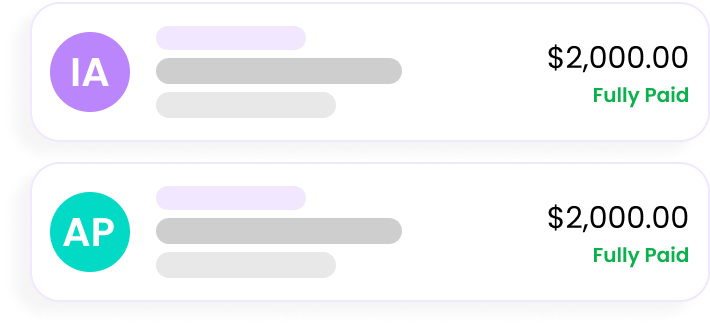


Ok, vediamo la fatturazione in
Numeri
Caratteristiche nel nostro Borsa regalo?
Offriamo una soluzione pratica e intuitiva per le vostre esigenze di fatturazione e ricezione.

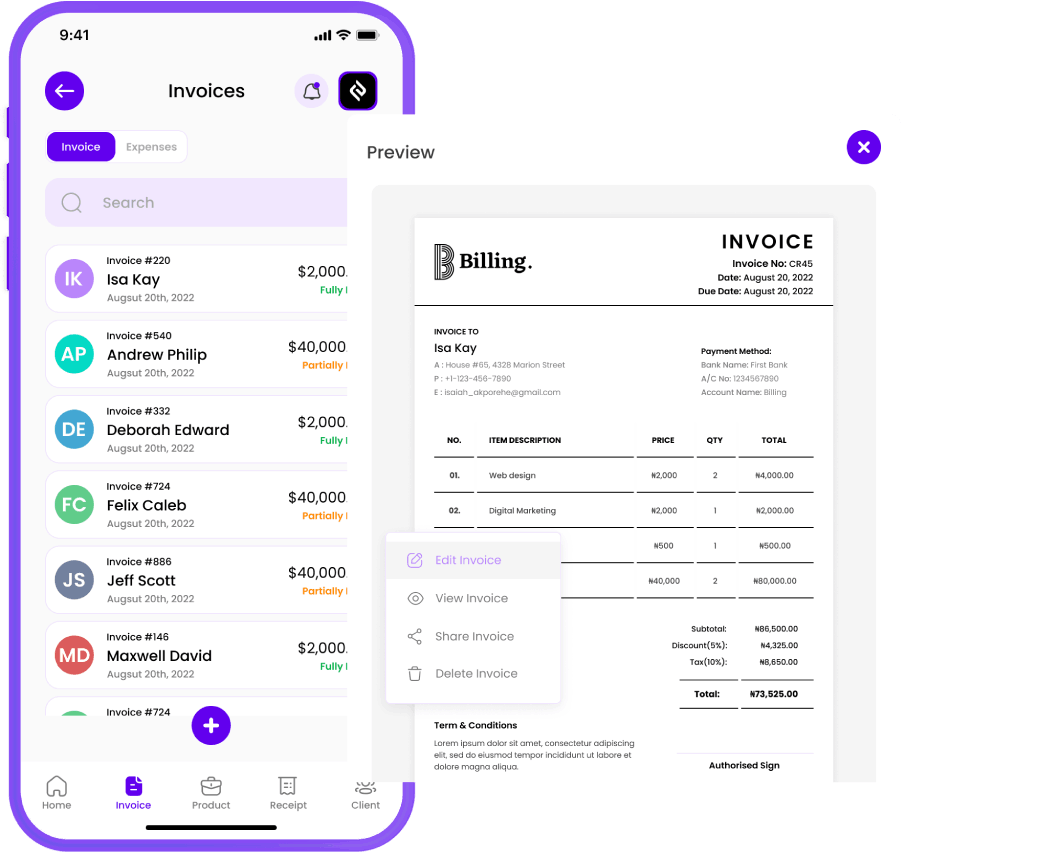
Creare una fattura
Super veloce
creazione della fattura
Generate fatture professionali con pochi clic. Personalizzatele per includere il vostro marchio, aggiungere voci e calcolare automaticamente le tasse. Inviate le fatture via e-mail, SMS o WhatsApp ai clienti all'istante! Impostate fatture ricorrenti per i vostri clienti abituali.

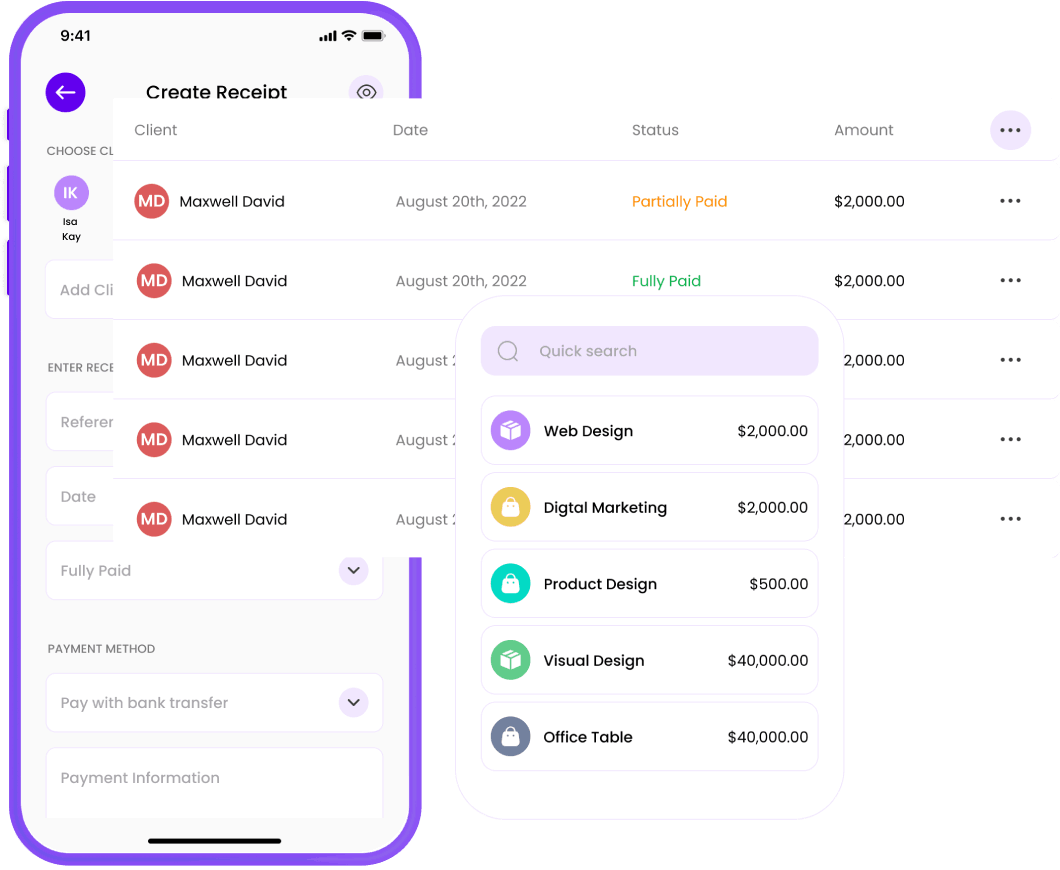
Ricevuta di emissione
Senza problemi
generazione di ricevute
Create e inviate ricevute senza fatica! Trasformate le fatture in ricevute in pochi secondi o generatene di nuove in movimento. Dite addio al disordine della carta e date il benvenuto a un'organizzazione perfetta: inviate le vostre ricevute ai clienti via e-mail, SMS o WhatsApp all'istante!

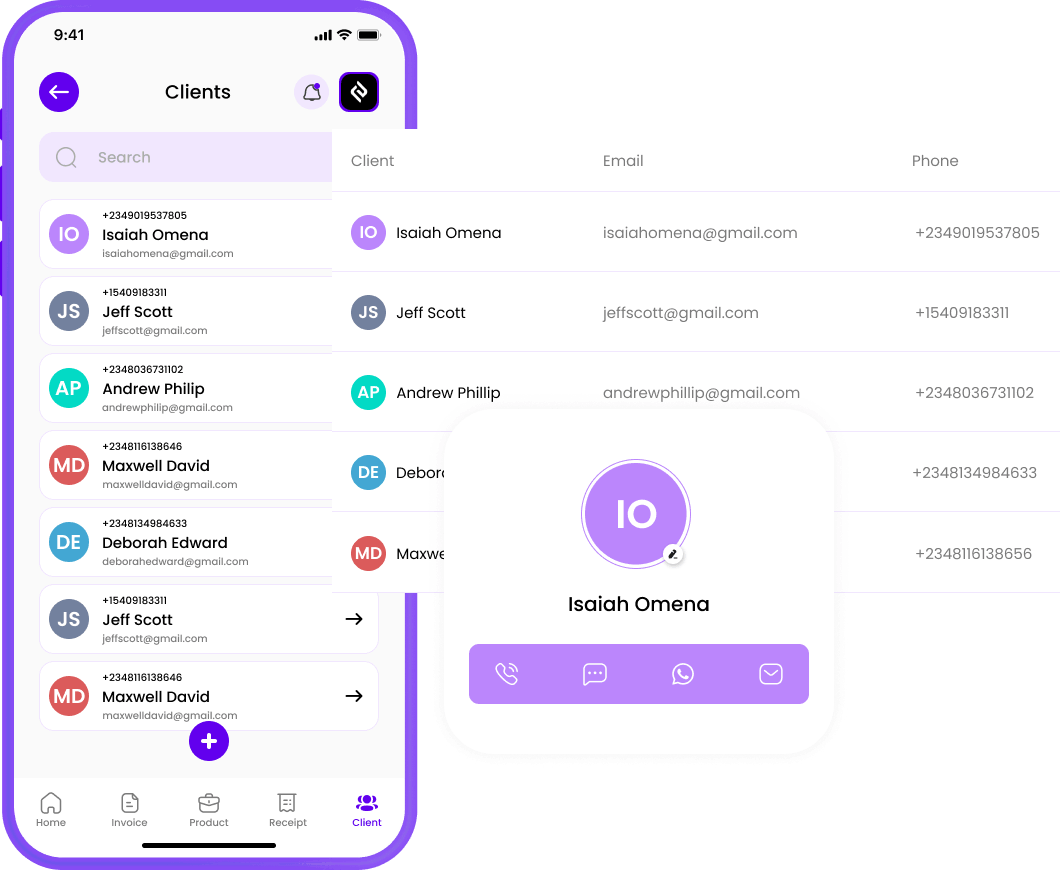
Gestire i clienti
Senza soluzione di continuità
servizio clienti
Tieni un elenco dei tuoi clienti e delle loro informazioni di contatto. Questo semplifica la selezione dei destinatari durante la creazione di fatture e ricevute e ti aiuta a tenere traccia delle relazioni con i tuoi clienti.

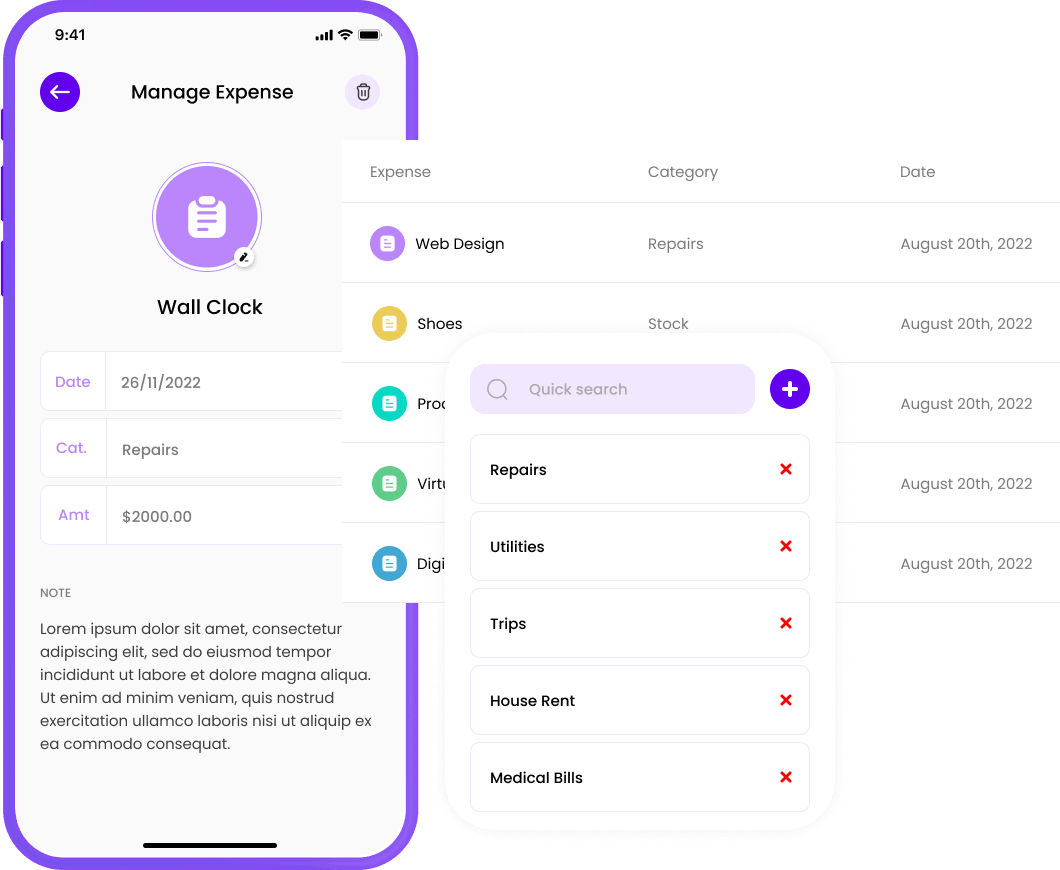
Tracciamento delle spese
L'ultimo business
Approfondimento sulle spese
Track, manage, and conquer your business expenses! Effortlessly log expenses, stay organized, and never lose a receipt again. Semplificate il vostro financial life and focus on what really matters—growing il tuo business!

Genera report
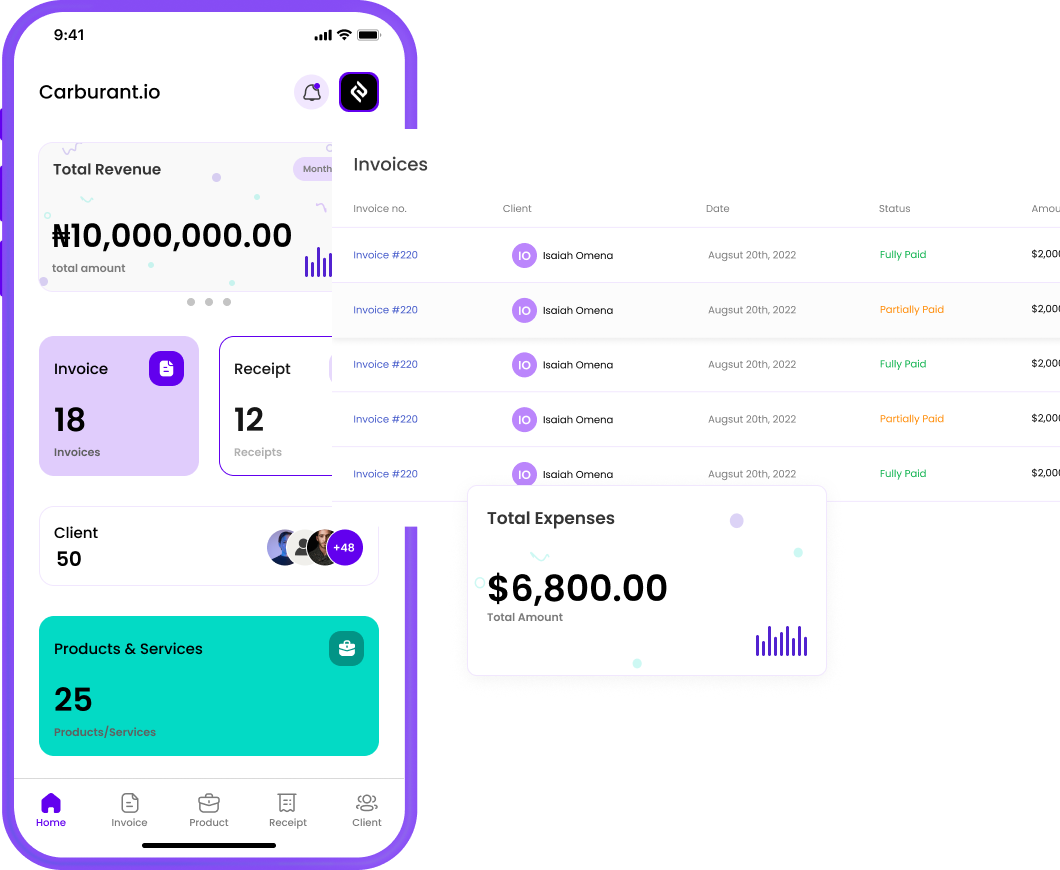
Reporting dettagliato
per Contabilità e Revisione Contabile
Tieni sotto controllo la salute finanziaria della tua azienda con i nostri strumenti di reporting. Visualizza riepiloghi di entrate, note spese e altro ancora per prendere decisioni consapevoli.

Diventa globale con facilità
Senza soluzione di continuità
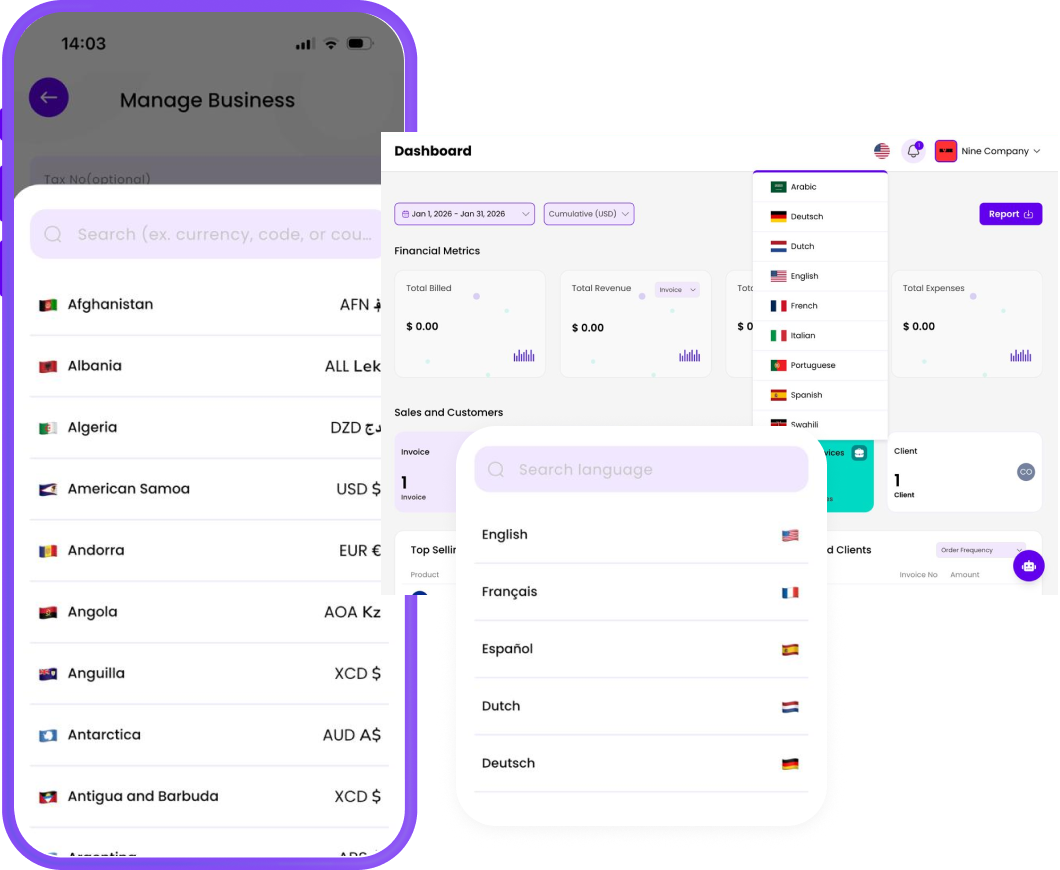
Supporto multilingua e valuta!
Billing Plus is built for businesses without borders. Create invoices in multiple languages and handle different currencies effortlessly, so you can work confidently with local and international clients—no confusion, no extra tools.
Ottenere Pagato più velocemente con link di fatturazione+ pagamento
Send professional invoices and get paid instantly con link di fatturazione+ pagamento. Share on WhatsApp, email, or social media — no website needed.


Perché dovresti scegliere Fatturazione+,
La fatturazione migliora la gestione aziendale aumentando l'efficienza, l'organizzazione e il flusso di cassa. Offriamo una soluzione pratica e facile da usare per le vostre esigenze di fatturazione e ricezione.
Facile da usare
Fatturazione+, automatizza il compito, altrimenti lungo e soggetto a errori, di creare manualmente fatture e monitorare le spese.
Efficienza
Fatturazione+, ti aiuta a risparmiare tempo prezioso e riduce il rischio di errori umani nei calcoli, nell'inserimento dei dati e nella generazione di report.
Precisione
Fatturazione+, garantisce che le transazioni aziendali siano accurate e conformi alle normative fiscali e alla rendicontazione finanziaria.
Professionalità
Fatturazione+, ti aiuta a distinguerti e ad apparire credibile con fatture e ricevute pulite, dal design accattivante e pronte per il marchio
Costruito per imprenditori come te
Revolutionize il tuo company's business management with Billing. Our platform provides an all-in-one solution for overseeing invoices, receipts, and expenses, optimizing workflows, and enhancing financial decision-making.
Iniziareimprenditori
Fatturazione+, può semplificare i tuoi processi finanziari per efficienza temporale, professionalità, precisione e praticità
Saperne di piùLiberi professionisti
Fatturazione+, può migliorare la tua gestione finanziaria e le relazioni con i clienti, aiutandoti a raggiungere maggiore efficienza e professionalità.
Saperne di piùAppaltatrici
Fatturazione+, può semplificare le tue attività amministrative, gestire le finanze, presentare un'immagine professionale e garantire un'elaborazione efficiente dei pagamenti.
Saperne di piùCreatori
Fatturazione+, can reinforce your brand's reliability with custom templates, il tuo logo, and clear terms of agreement.
Saperne di piùOrganizzazioni non profit
Fatturazione+, semplifica la gestione della tua attività, mantenendoti trasparente, aumentando il tuo impatto e perseguendo iniziative mirate.
Saperne di piùProprietari di piccole imprese.
Fatturazione+, can significantly improve il tuo business's efficiency, accuracy, and professionalism in business operations.
Saperne di piùCommercialiste.
Fatturazione+, lets accountants manage client billing data, track expenses, and simplify reporting — all in one place.
Saperne di piùstartup
Whether you're bootstrapped or backed, Fatturazione+, gives il tuo startup financial clarity, so you can focus on product, users, and growth.
Saperne di piùCome Fatturazione+, Funziona?
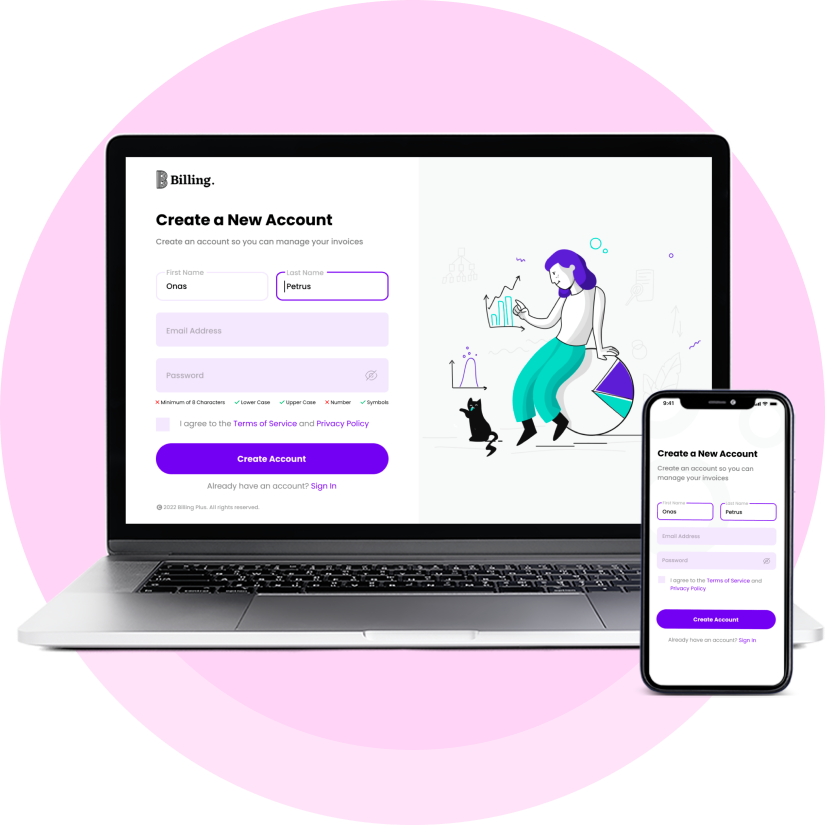
Creating Fattura:s has never been this simple. Here’s how it works in 3 easy steps.
Registrati o accedi
Whether you’re a seasoned business owner or just starting, the first step is simple. Registrati per un account if you’re new to our platform, or Login if you’re a returning user. We take your privacy and security seriously, so you can trust that your information is in safe hands. Once logged in, you’ll have access to all the tools and features you need to streamline il tuo invoicing and receipt management.
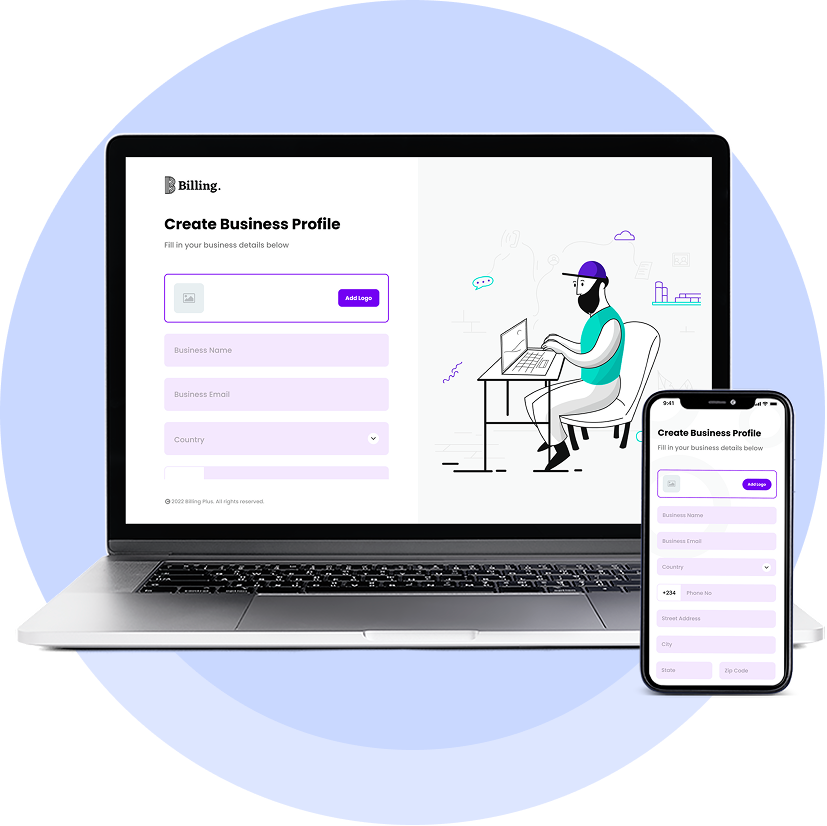
Crea un profilo aziendale
Your business profile is the heart of the Fatturazione+, Fatturazione and Receipt App. To get started, you’ll need to create a business profile that accurately represents your company. Update il tuo business information, logo, branding, payment details, and tax information.
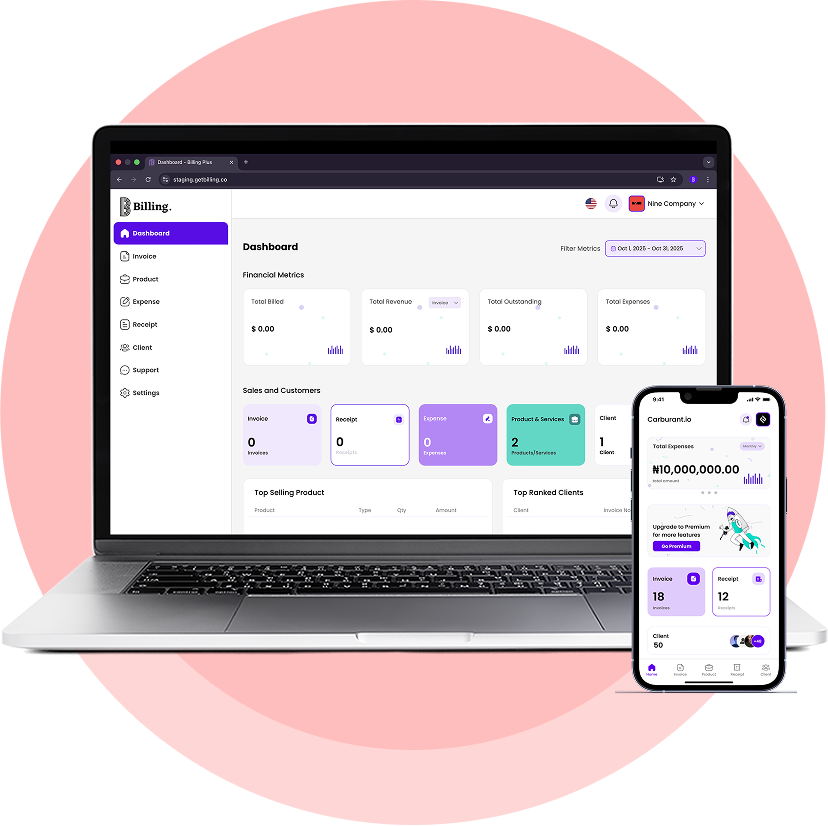
Inizia a creare fatture, generare ricevute e monitorare le spese
Now that you’ve created your business profile, you’re ready to start using the Fatturazione+, Fatturazione and Receipt App to manage your records efficiently. Generate professional invoices with just a few clicks, keep track of your expenses by recording receipts digitally, maintain a list of your clients and their contact information, and stay on top of il tuo business’s financial health with our reporting tools.
I nostri prezzi semplici e giusti
Scegliete il piano tariffario più adatto alla vostra attività. Piano gratuito per sempre. Non è richiesta la carta di credito per iniziare.
Piani tariffariGratuito
Perfetto per
Iniziare a lavorare
$0/per sempre
Caratteristiche:
- Un'azienda
- Modello predefinito
- Colore predefinito del modello
- Multi valuta
- Fatture illimitate
- Ricevute illimitate
- Prodotti/servizi illimitati
- Spese illimitate
- Analitica aziendale
Premio
Il nostro piano Premio
per le piccole imprese
$10/m
Caratteristiche:
- Tutto in omaggio
- Aziende illimitate
- Selettore di modelli
- Personalizzare il colore del modello
- Fatture Whitelabel
- Fatture ricorrenti
- Link di pagamento
Premio Plus
Il nostro piano annuale
per le piccole imprese
$115/y
Caratteristiche:
- Tutto nel piano Premio
- A 4.17% Sconto sui prezzi
- Assistenza prioritaria
- Accesso anticipato alle funzioni
Cosa dice la gente di Fatturazione+,
Il nostro Global Wall Of Love, composto da liberi professionisti e imprenditori che utilizzano la nostra piattaforma!

È un'app fantastica che mi è stata di grande aiuto come freelance. L'ho consigliata ad altri. Continuate così.

I can create invoices easier and faster now. This is awesome

App fantastica. Facile da usare e veloce

Questa è un'app eccezionale. L'interfaccia è chiara e facile da usare. Mi piace anche il fatto che permetta di creare la propria firma direttamente sullo schermo senza alcuna difficoltà. Complimenti agli sviluppatori!

This app is so nice and I love it

L'app è facile da usare e l'interfaccia è pulita

L'interfaccia molto semplice da usare funziona a meraviglia Kudos DM

Ho faticato a trovare un'app che mi aiutasse con le ricevute per la nostra attività, finché non mi sono imbattuto in Billing. L'aspetto professionale mi ha conquistato e la mia famiglia!!! La funzionalità è mozzafiato. Un milione di complimenti allo sviluppatore.

Adoro questa applicazione

App di fatturazione davvero semplice ed efficace. Copre bene le basi. Creare clienti, fatture e ricevute è facile e veloce. Non vedo l'ora di vedere cosa porterà il prossimo aggiornamento.

Dopo l'implementazione di LeBelleAmi Billing Fattura:, il mio tempo di elaborazione degli ordini si è drasticamente ridotto e sono stupito di vedere che ora risparmio più di 10 ore a settimana.

È un'app molto bella, ottimo lavoro nel realizzarla, la adoro
Frequentemente Interrogato
Domande
Tutto quello che volete sapere su Fatturazione+,.
Billing è disponibile per dispositivi iOS e Android?
Posso utilizzare Billing per scopi personali e aziendali?
Assolutamente! La fatturazione è versatile e può essere utilizzata per le finanze personali, i liberi professionisti, le piccole imprese e le grandi aziende.
Posso accedere al mio account di fatturazione da più dispositivi?
Sì, la fatturazione è stata progettata per essere accessibile da più dispositivi. I vostri dati si sincronizzano perfettamente su tutti i dispositivi una volta effettuato l'accesso con il vostro account.
Come si crea una fattura con Billing?
To create an invoice, open the app, go to the "Fattura:s" tab, and click on "Creare una fattura." Fill in the necessary details like client information, items or services provided, and the due date. Once done, you can preview and send the invoice to il tuo client.
Here's a tutorial on our YouTube channel to assist you. Clicca qui
I miei dati sono al sicuro con Billing?
La sicurezza dei tuoi dati è per noi una priorità. Billing utilizza crittografia e server sicuri per proteggere le tue informazioni. I tuoi dati sono archiviati in modo sicuro nel cloud e adottiamo le migliori pratiche del settore per proteggerli.

 English
 Arabic
 Spanish
 French
 Dutch
Dutch German
 Portuguese
 Swahili