
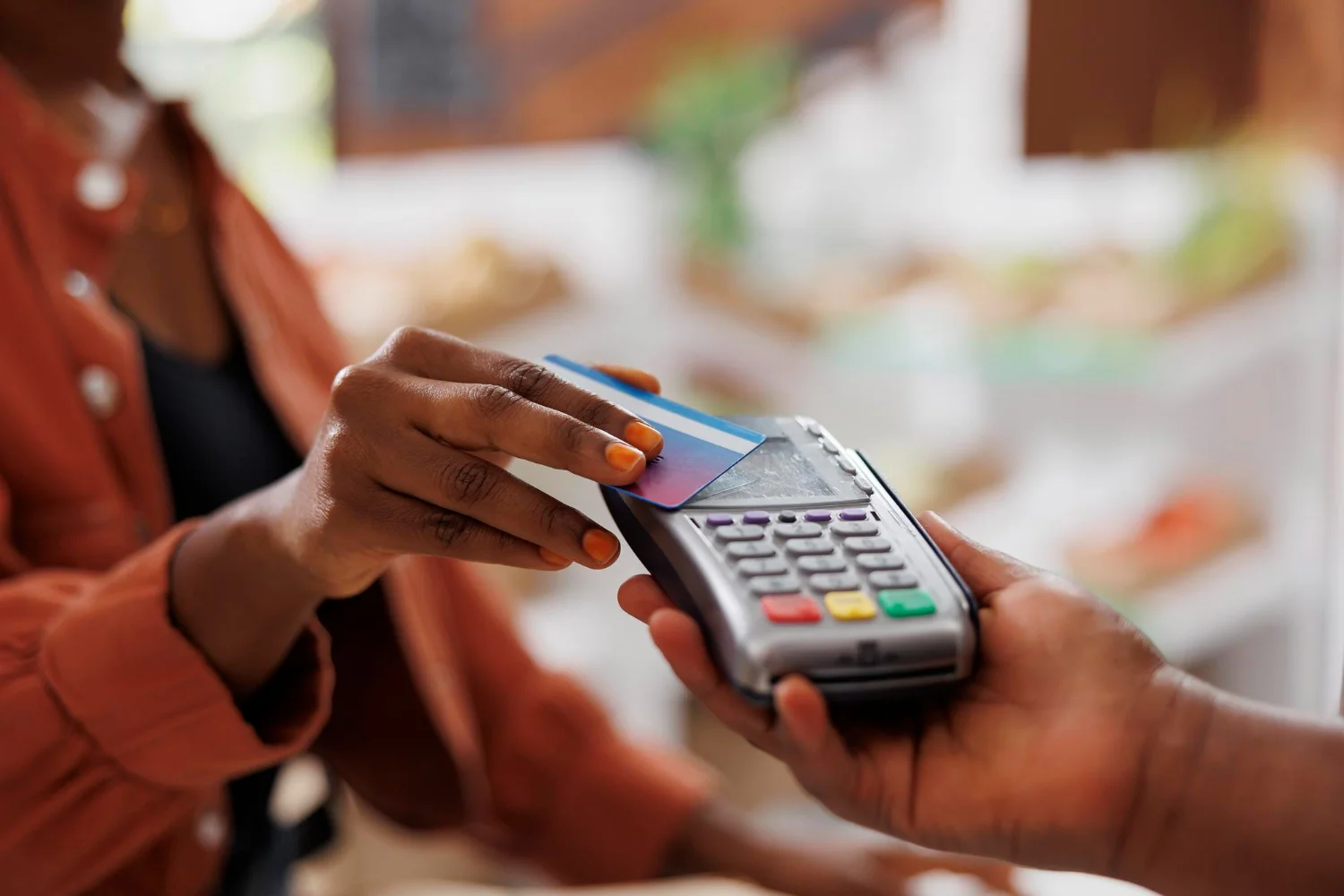
Choosing the best payment methods for your invoices directly influences how quickly you will be paid and how satisfied your customers will be. For small businesses, freelancers, and consultants with limited options or inconvenient payment methods, this directly impacts reduced cash flow, increased administrative work, and even abandonment of clients in making payments.
This guide will break down the best payment methods for invoices, considerations to make in choosing them, and how small businesses can create a faster, more reliable payment experience.
Why Your Payment Method Choices Matter for Your Invoice
The payment methods aren’t just a backend decision; they are an end-to-end determinant of the invoicing experience. If customers pay with their preferred option, the invoices will be settled much faster and with less follow-up.
In contrast, dependence on sluggish or inefficient modes of payment ensures that the majority of payments arrive late, causing reconciliation headaches, which can make the relationship with the client much more difficult. For small enterprises having slender margins, faster payments improve cash flow predictability and reduce financial stress.
Factors to Consider When Choosing Payment Methods
Before making a decision regarding which payment options you will list on your invoice, you must consider the forms of payment on a number of practical levels.
- Transaction Fees: Every form of payment incurs its own set of expenses. While credit cards, e-payments, or electronic wallets entail processing fees, bank transfers, as well as cash payments, could cost less but come with more manual efforts.
- Processing Speed: Some payment methods offer same-day payment or payment that is settled instantly, whereas others may take several working days. A much faster processing enables you to gain better access to the funds.
- Client Convenience: It becomes easier for clients to make payments on time whenever they have access to payment methods that they are more familiar with.
- Security and Fraud Protection: Payment systems that are secure will help to reduce any instances related to fraud, charge-backs, or unauthorized transactions, both for you and your clients.
- Ease of Setup and Use: Small business owners find payment options requiring little technical expertise and easily integrated with invoicing systems to be advantageous.
- Professional Appearance: Contemporary methods of payment represent trust or reliability. Invoices with secure links are more professional compared to those with instructions for direct transfers.
What Are the Most Common Invoice Payment Methods?
Small businesses often depend on a combination of conventional methods and new payment systems. Among the most common payment methods are:
- Bank Transfers: Direct money transfers from the client’s account to yours.
- Credit and Debit Cards: Accepted widely and are convenient for clients.
- Cash: Still used for making payments physically, but it is difficult to track.
- Checks: Currently experiencing a decline in usage because of the time it takes to process.
- Digital Wallets: Mobile payment methods provide fast payment options.
Each technique has its respective usefulness, but may not necessarily suit every business model.
Top 5 Best Online Payment Options for Small Businesses
Online payment methods are generally preferred for issuing invoices due to their speed, traceability, and convenience for clients.
- Credit and Debit Cards: They enable instant authorization and are well-known to most clients, making them one of the fastest means of payment.
- Bank Transfers: Often less expensive for high-value transactions, although processing time may differ.
- Digital Wallets: Such services allow for fast payments made through mobile phones and are convenient for tech-savvy consumers.
- QR Code Payments: The clients pay directly by scanning the QR code, which is ideal for mobile payments and in-person servicing.
- Buy Now, Pay Later Payment Options: This option enables your clients to pay for the purchases later, and you get to receive the payment immediately. This is beneficial for higher invoice payments.
Best Practices for Offering Multiple Payment Options on Invoices
Offering a variety of payment methods encourages timely payments. The best practices are:
- Restricting options to relevant, credible techniques
- Displaying payment alternatives on the invoice
- Using consistent terms for payments on all invoices
- Fast settlement through digital options
- Avoiding methods that complicate reconciliation
A clear presentation helps to avoid confusion and eliminate follow-up questions.
How to Integrate Payment Links Into Invoices
Payment links make the process of issuing invoices easy by allowing clients to issue payments directly from the invoice. Rather than clients replicating the payment information or issuing confirmations to clients manually, they simply click and receive instant confirmation.
Following the guidance on secure e-payment processing standards, it is important to note that using authentic payment systems reduces errors as well as instances. Additionally, it increases the speed of payment.
Payment link integration also makes record-keeping easy because payments get automatically associated with invoices.
The Billing invoice and receipt platform offers three payment links you can choose from. It includes paypal, paystack and paddle.
Make Payments Easy With Billing
Billing helps small businesses streamline their invoicing process by integrating payment links directly into invoices. With Billing, businesses can offer various payment methods, including cash, cheque, debit card, bank draft, direct deposit, bank transfer, traveller’s cheque, mobile banking, and other options. Additionally, it enables users to send reminders and track payments in real time.
This service enables businesses to receive payments more quickly and maintains a professional payment experience by automating manual tasks. Overall, it enhances the efficiency and professionalism of the payment process.
FAQs About Payment Methods for Small Business Invoices
1. What is an invoice payment link?
An invoice payment link enables clients to make payments directly from the invoice through the available payment options.
2. Do payment options affect small business customer satisfaction?
Yes. Convenient payment methods enhance the consumer experience and reduce payment times.
3. What’s the cheapest payment method for small businesses?
Bank transfer costs tend to be lower, although the transfer time may take longer compared with card or electronic payment systems.
4. What are the free online payment methods for small businesses?
While some websites offer transfers for free within certain limits, there is usually a negligible cost associated with online payments and transfers.
Per riassumere…
The best payment options for accounts payable and receivable achieve a balance between speed, cost, and security while also prioritizing customer convenience. Small businesses that offer modern and flexible payment options tend to receive payments more quickly and easily, facilitating smoother transactions and enhancing opportunities for building customer relationships.
Additionally, integrating suitable payment methods and functionalities, such as billing, ensures a seamless billing process, ultimately contributing to business growth and financial stability.